










[b]Why Refinishing is Important[/b]
Hardwood flooring is among the most classic and sophisticated elements of any home. They add warmth, character, and a touch of sophistication to living areas. Like any surface that is subjected to daily usage, however, hardwood floors become worn and tired over time. Scratches, dull finishes, and mottled coloring detract from their original beauty. Refinishing is the secret to bringing back that original beauty. But most homeowners can’t help but ask the same query: how often to refinish hardwood floors?
[b]Understanding the Refinishing Process[/b]
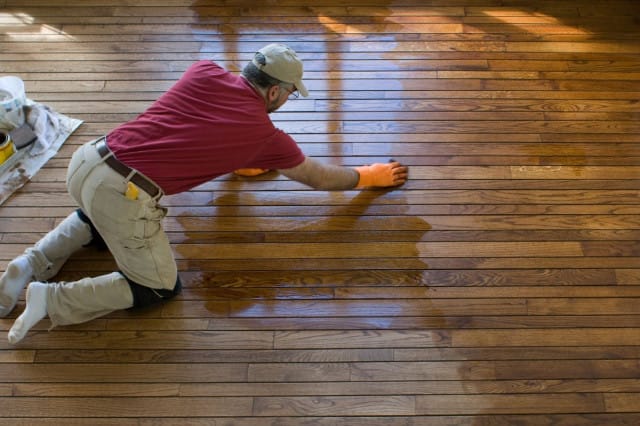
Refinishing is not merely polishing wood; it’s an intricate process involving sanding the top surface of the floor, eliminating scratches, and giving it a new finish. Not only does this enhance the look of the floor, but also its durability. The finish serves as a protective coating, guarding the wood against foot traffic, spills, and typical wear. Getting to know when to refinish helps your floors be both functional and aesthetically pleasing.
Indicators That It’s Time to Refinish Your Hardwood Floors
Hardwood flooring doesn’t have an expiration date, but there are telltale signs that will indicate when refinishing is necessary. Dull patches, scratches so deep they reach the wood, or spots where the finish has worn off entirely should be sought out. Water marks and discoloration are also good indicators. The "water bead test" is another test: if water no longer forms beads on the surface and instead soaks into the wood, the protective coating has worn away and it’s due for refinishing.
[b]Average Timeline for Refinishing Hardwood Floors[/b]
Normally, hardwood floors need to be refinished every 7 to 10 years. This will depend on how much foot traffic there is in your house. Living rooms, hallways, and kitchens, which receive heavy usage, will need refinishing more quickly. Bedrooms or spaces that are used less can wait longer. Homes with pets and small children may also experience needing refinish more frequently because of increased wear and tear.
[b]The Difference Between Buffing and Refinishing[/b]
It’s vital to note the difference between buffing (also referred to as screening) and refinishing. Buffing merely recoats the top layer without removing significant wood, which is perfect for minor surface scratches or dullness. Refinishing, however, does include sanding down the surface and applying an entirely new finish. If the damage is severe or color uneven, refinishing is the better option to really restore the beauty of the floor.
[b]The Thickness of Your Floors[/b]
Your hardwood floors’ thickness also dictates how many times they may be refinished. Solid hardwood floors can typically be refinished several times, sometimes as many as 8–10, depending on the thickness of the wood. Engineered hardwood, on the other hand, has a thinner surface layer, so it can be refinished less. Knowing what you have enables you to better plan ahead and not inadvertently damage your floors.
[b]Advantages of Refinishing on Time[/b]
Refinishing your hardwood floors on a timely basis provides benefits that extend beyond cosmetic enhancement. It extends the lifespan of your floors, avoids expensive replacements, and keeps your entire home’s value intact. Clean and easy-to-maintain floors result from newly refinished floors, and they improve indoor air quality by keeping cracks sealed off from collecting dust and allergens. For homeowners who live in competitive housing markets, well-cared-for hardwood floors can also render a home more marketable to prospective buyers.
[b]The Cost Consideration: Refinishing versus Replacement[/b]
Refinishing hardwood floors costs a fraction of what it would cost to replace them. Replacing the floors entails removing the old floor, purchasing new wood, and labor costs—costs that can quickly add up. Refinishing, on the other hand, gives new life to your original floors at a portion of the price. Homeowners can save thousands by opting for refinishing instead of total replacement.
[b]Professional Refinishing versus Do-It-Yourself Attempts[/b]
Though some DIY enthusiasts try to refinish themselves, it’s easier said than done. The job needs specialized tools, expertise in sanding, and proper finish products. Errors result in uneven floors or even irreversible damage. Having a professional do [url=https://nchandymanservicesllc.com/hardwood-refinishing/]Hardwood Floor Refinishing Raleigh[/url] saves you time, effort, and aggravation. Professionals also give you a smoother finish with a longer life, providing you greater value in the long term.
[b]How Lifestyle Influences Refinishing Frequency[/b]
Not every family must refinish at the same frequency. Lifestyle contributes in large part. For example, a family with big dogs will experience more scratches and must refinish more quickly. Families that have many get-togethers will experience faster wear in high-traffic areas. A smaller family with careful habits may be able to go longer between refinishes. Pondering your lifestyle determines when your floors should be refinished.
[b]A Quick Guide: Refinishing Time[/b]
Here’s an easy formula to use to figure out whether it’s time to refinish:
• When scratches remain after cleaning and polishing
• When floor color appears uneven or washed out
• When water is no longer beading on the surface
• When patches of bare wood are exposed
• When more than 10 years has passed since your last refinish
These indicators are unmistakable that refinishing will bring back both looks and protection.
[b]Why Select Regional Refinishing Professionals[/b]
When refinishing, local know-how is important. Selecting Hardwood Floor Refinishing Raleigh NC guarantees that local specialists who understand the local climate and flooring concerns in the region work on your job. Raleigh’s humidity and seasonal shifts impact hardwood in ways that differ from other parts of the country, so regional experts understand how to apply the proper techniques and finishes. This ensures that results not just look great, but also last the long-term.
[b]Preparing Your Home for Refinishing[/b]
If you’ve decided it’s time to refinish, preparation is key. Furniture and rugs should be removed, and homeowners should expect some dust and noise during the process. Professionals often use dustless sanding systems to minimize disruption, but it’s wise to plan accordingly. Once refinishing is complete, floors typically need a few days to cure before heavy furniture is placed back. Taking these steps ensures the best possible outcome for your floors.
[b]Final Thoughts: Preserving Your Investment[/b]
A hardwood floor is a significant investment, and refinishing is the most effective means of preserving that investment. Adhering to the proper schedule and paying attention to wear, you’ll be able to maintain floors that appear new for decades to come. Refinishing not only is less expensive than replacement but also enhances your home’s beauty, comfort, and worth.
If you’re noticing scratches, dullness, or fading, now may be the perfect time to consult a professional. With expert refinishing, your hardwood floors will continue to shine, adding warmth and elegance to your home for many years to come.