












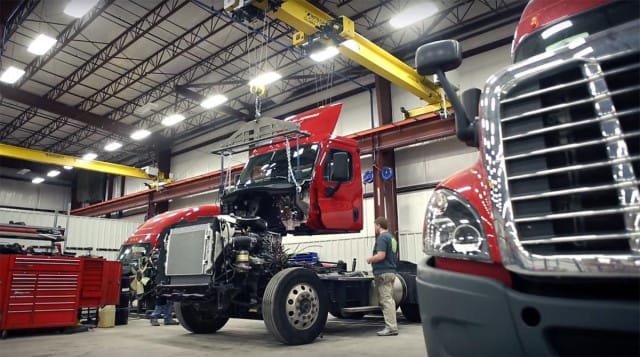
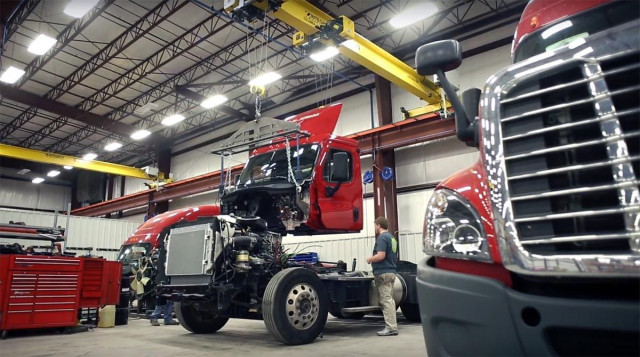
Purchasing and driving a truck for personal or business purposes means a lot more than filling up the gas tank and driving it. Trucks are sophisticated vehicles, and their electrical systems are an essential part of making the vehicle operate smoothly and safely. From the battery to the alternator and lights, electrical parts make the vehicle reliable and efficient. Routine electrical maintenance is critical in order to steer clear of sudden failure and expensive repairs. In this article, we will discuss why electrical maintenance is important, what are its advantages, and what truck owners should know about their vehicle’s maintenance.
[b]Why Electrical Systems in Trucks Are So Important[/b]
The truck’s electrical system is usually underappreciated, but it is the very substance that keeps current vehicle performance going. Electrical power is what trucks use for engine start-up, lighting, powering sensors, and driving onboard technology. Even GPS navigation, radios, and air conditioning require functioning electrical components.
Without proper maintenance and inspection, such systems tend to malfunction, resulting in inconvenience, downtime, and even safety hazards. Truck owners who ignore electrical maintenance tend to deal with larger problems in the long run, ranging from starter motor malfunctions to full system shutdowns. Regular upkeep, then, guarantees that the truck remains reliable for both long-distance travel and daily driving.
[b]Common Electrical Problems in Trucks[/b]
Truck electrical issues range from simple annoyance to critical safety hazards. Knowing common issues allows owners to take preventative action. Some of the most common issues are:
• Draining or loss of the battery
• Alternator failures
• Wiring and connection problems
• Blown fuses and malfunctioning relays
• Failure of the starter motor
If left unchecked, these faults can lead to surprise breakages and costly repairs. Regular checks by truck owners can allow them to detect issues early on before they become major.
[b]Advantages of Timely Electrical Maintenance[/b]
The benefits of remaining proactive in the area of electrical maintenance extend beyond cost savings. Truck owners have peace of mind and enhanced safety. Some of the best benefits include:
1. Fictional Safety: Functioning headlights, brake lights, and signals make it less likely for accidents to occur, particularly at night or during adverse weather conditions.
2. Cost Savings: Early handling of small electrical issues avoids costly major repairs down the line.
3. Improved Reliability: Maintained trucks are less likely to be down for downtime, ensuring business operations continue uninterrupted.
4. Fuel Efficiency: Efficient electrical systems improve the performance of engines, saving unnecessary strain and fuel.
5. Longer Lifespan: Trucks will last longer when electrical parts are checked and serviced on a regular basis.
[b]Indications That Your Truck Requires Electrical Repair[/b]
Trucks sometimes provide explicit warning signs when electrical systems are on the verge of failing. Identifying these signs avoids larger issues. If you observe any of the following, it is time for a visit to the mechanic:
• Flickering or dim lights
• Failures to start the engine slowly
• Frequent new battery replacements
• Smells of burning or strange sounds
• Failed functioning of dashboard indicators
Overlooking these signs has the potential to result in spontaneous breakdowns halfway through a route, leading to stress and delays. Taking swift action makes the truck roadworthy and safe.
[b]How Frequently Should Electrical Maintenance Be Conducted?[/b]
The truck’s use and age determine the frequency of electrical maintenance. Electrical systems in heavy-duty commercial trucks need to be inspected at least every six months. Light-duty or personal trucks may get away with a little longer, but annual inspections are highly advisable nonetheless.
Through regular checkups, mechanics check the battery, alternator, starter motor, fuses, and wiring connections. They also verify that lighting systems and onboard electronics function properly. This preventive measure maintains trucks reliable and minimizes roadside emergencies’ likelihood.
[b]Professional vs. DIY Electrical Maintenance[/b]
Whereas some truck owners may want to do basic maintenance themselves, electrical systems are not always easy. Simple tasks like cleaning battery terminals or changing a fuse are something most drivers can accomplish. Yet, diagnosing problems with alternators, fixing wiring, or dealing with onboard electronics should be left to professionals.
Dependence on skilled technicians guarantees electrical problems are well diagnosed and repaired. Trained professionals utilize tools that identify problems instantly, saving time and preventing unnecessary repairs. This is why companies that depend on trucks tend to cooperate with reputable repair services for routine maintenance.
[b]Commercial Truck Electrical Repair Detroit[/b]
For truck owners and fleet managers in Detroit, access to dependable repair service is vital. [url=https://detroithighwayrepair.com/electrical-repair/]Detroit Commercial Truck Electrical Repair[/url] providers provide specialized knowledge to ensure vehicles are safe and reliable. These technicians comprehend the needs of commercial fleets and strive to reduce downtime through effective repair strategies. Selecting a reputable service maintains trucks road-ready and minimizes the potential for expensive breakdowns.
[b]Truck Electrical Repair Detroit MI[/b]
If you are located in Michigan, purchasing Truck Electrical Repair Detroit MI services is an intelligent move for safety and efficiency. Local technicians understand prevalent electrical issues that arise under local driving conditions. From battery testing to alternator replacements, Detroit service shops offer thorough maintenance solutions. This kind of attention allows drivers to feel at ease on the road, knowing they have well-maintained trucks with fewer chances of breaking down unexpectedly.
[b]Preventative Measures Truck Owners Must Do[/b]
Truck owners can perform a few simple steps to maintain good electrical system health. Professional service is important, but little routines make a big difference in avoiding problems.
• Keep terminals clean and corrosion-free
• Avoid stressing the electrical system with excessive accessories
• Temporarily check headlights, brake lights, and signals on a regular basis
• Ride carefully and listen for odd noises upon starting the engine
• Use professional checkup at the recommended intervals
These preventive practices extend the life of electrical components and help the truck function reliably under all conditions.
[b]The Role of Electrical Maintenance in Business Operations[/b]
For companies that depend on trucking, like logistics, hauling, or delivery firms, electrical maintenance has a direct effect on operations. A single failure can lead to delays, lost sales, and disappointed customers. Regular servicing decreases downtime, enhances fleet efficiency, and increases overall productivity.
Fleet managers who spend money on preventative electrical maintenance tend to save considerable amounts in the long term. They also create better reputations with customers by never having deliveries and services interrupted by unnecessary breakdowns.
[b]Conclusion[/b]
Daily electrical maintenance is not only an advised routine
—it is an imperative for owners of trucks who desire safety, efficiency, and dependability. From avoiding expensive repairs to doubling the life of the vehicle, correct electrical maintenance brings several long-term advantages. With one truck or a fleet, by scheduling regular inspections and fixing little problems, you will keep your trucks highway-ready.
Through investment in professional electrical repair and adherence to preventative measures, truck owners facilitate smoother function, increased safety, and increased peace of mind. Proper maintenance ultimately costs less in the long term than addressing the consequences of break-downs or emergencies.