










The healthcare industry is undergoing a profound transformation driven by digital technologies, and Electronic Health Records (EHR) software plays a pivotal role in this evolution. EHR systems digitize patient records, making health information accessible, accurate, and actionable for healthcare providers. The result is a marked improvement in patient care, streamlined workflows, and enhanced clinical outcomes.
Classic paper-based records often suffer from legibility issues, incomplete data, and difficulty in sharing across providers. EHR software eliminates these barriers by centralizing patient information in real time, promoting coordinated and patient-centered care. This digital backbone supports clinicians in decision-making, reduces errors, and empowers patients to engage more actively in their health journey.
Enhancing Data Accuracy and Accessibility
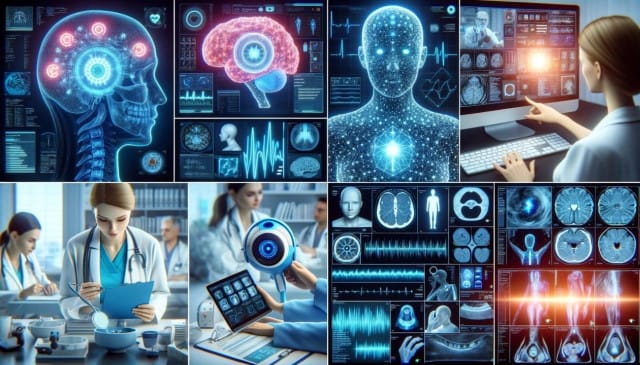
One of the most significant ways EHR software improves patient care is by ensuring that healthcare professionals have immediate access to comprehensive and accurate patient data. Vital information such as medical history, allergies, medications, imaging results, and lab reports are stored securely and updated continuously.
Instant access to this data facilitates informed diagnoses and treatment plans, reducing redundant tests and preventing adverse drug interactions. For example, a physician in an emergency room can quickly retrieve a patient’s full medication list and allergy profile, avoiding dangerous prescriptions and enabling swift interventions.
Moreover, EHR software allows data sharing among specialists, hospitals, pharmacies, and laboratories, enhancing collaboration and continuity of care. Interoperability standards embedded in modern EHR platforms promote seamless communication across healthcare networks, which is essential for managing chronic diseases and complex conditions.
Supporting Clinical Decision-Making and Safety
EHR systems go beyond data storage by integrating clinical decision support tools that improve safety and quality of care. These tools include alerts for potential drug interactions, reminders for preventive screenings, and guidelines for evidence-based practices.
By providing timely warnings and recommendations, EHR software reduces the likelihood of medical errors and enhances compliance with best practices. For instance, the system can prompt a clinician to order a timely mammogram for an eligible patient or warn against prescribing a medication contraindicated due to renal impairment.
Such support helps standardize care, reduce variability, and improve patient outcomes across diverse healthcare settings.
Streamlining Workflows to Increase Efficiency
In addition to clinical benefits, EHR software optimizes administrative workflows within healthcare organizations. Automated scheduling, electronic prescribing, billing, and documentation reduce manual tasks and paperwork burdens for providers.
By minimizing time spent on administrative chores, clinicians can dedicate more attention to patient interactions, fostering better communication and trust. Faster documentation and easier information retrieval also speed up care delivery and reduce wait times, contributing to enhanced patient satisfaction.
Healthcare staff benefit from customizable dashboards and integrated communication platforms embedded in EHR solutions, facilitating team coordination and efficient resource management.
Empowering Patient Engagement and Self-Management
EHR software empowers patients by giving them easy access to their health records, test results, and care plans through patient portals and mobile apps. Transparent access to personal health information fosters informed decision-making and encourages patients to take an active role in managing their health.
Features such as online appointment scheduling, secure messaging with providers, and medication refill requests make healthcare more convenient and accessible. Patients with chronic illnesses can monitor their status and receive reminders, improving adherence to treatment and reducing hospital readmissions.
The collaborative relationship between patients and providers supported by EHR technology is fundamental to achieving patient-centered care and better long-term health outcomes.
Enabling Analytics and Population Health Management
Aggregated and anonymized data collected within EHR systems enable powerful analytics that drive population health initiatives. Healthcare organizations can identify high-risk groups, track disease outbreaks, and evaluate the effectiveness of interventions on a large scale.
Predictive analytics applied to EHR datasets support proactive care by identifying individuals likely to develop complications or benefit from preventive measures. This data-driven approach helps allocate resources efficiently, improve public health responses, and reduce healthcare costs.
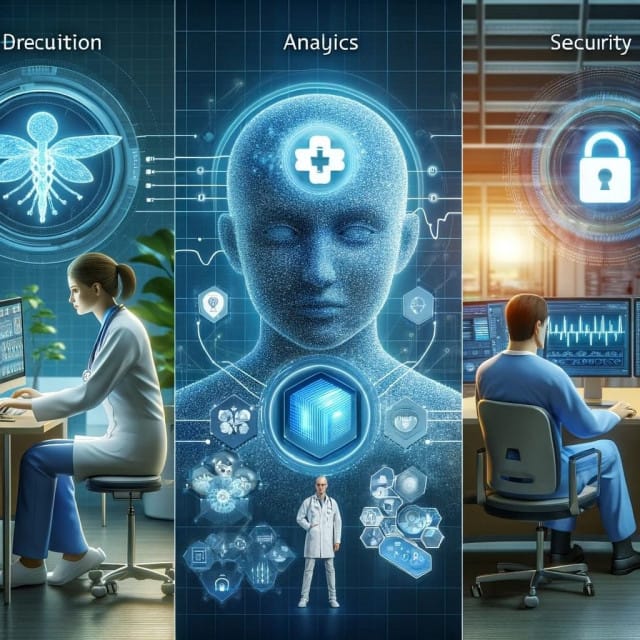
Insights drawn from EHR data also enhance clinical research and innovation, contributing to evidence-based medicine and continuous improvement.
Ensuring Security and Compliance in Healthcare Data
EHR software must comply with rigorous regulatory standards, such as HIPAA in the United States and GDPR in Europe, to protect patient privacy and data security. Advanced encryption, access controls, and audit trails safeguard sensitive information throughout its lifecycle.
Secure EHR implementations build patient trust and ensure legal compliance, which is critical to sustaining digital healthcare ecosystems. Role-based access within the software restricts data visibility to authorized personnel only, preventing breaches and misuse.
Partnering for Customized Healthcare Software Solutions
The complexity of healthcare demands tailored EHR solutions that align with organizational workflows and regulatory requirements. Collaboration with experienced software developers specializing in healthcare ensures that EHR platforms are scalable, interoperable, and user-friendly.
For providers and institutions seeking innovative, secure, and compliant EHR software development, exploring services at [url=https://symphony-solutions.com/industries/healthcare-software-development]https://symphony-solutions.com/industries/healthcare-software-development[/url] connects them with experts who can drive digital transformation tailored to clinical needs.
Unlocking the Future of Patient Care with EHR
Electronic Health Records software represents a vital foundation for modern healthcare delivery. By enhancing data accessibility, supporting clinical decisions, streamlining operations, and empowering patients, EHR systems improve safety, efficiency, and outcomes.
As healthcare continues to embrace digital innovation, the integration of robust EHR solutions will remain central to achieving high-quality, connected, and patient-focused care in the years ahead.