


Pioneer DJ equipment has become an industry standard for both beginners and seasoned professionals. Whether you’re stepping into the DJ world for the first time or upgrading your existing setup, understanding the basics through your owners manual is key to unlocking the full potential of your gear. Alongside detailed setup guides, troubleshooting manuals, service manuals, and repair manuals, the documentation will simplify your learning curve and help you troubleshoot common issues. For easy access to official Pioneer manuals, you can visit https://manuals.online/
Unboxing and Setting Up Your Pioneer DJ Equipment
When your Pioneer equipment arrives, the first step is to ensure all components are included as per your model’s owners manual. Generally, a basic setup will include DJ controllers such as the DDJ-SB3 or DDJ-FLX4, a mixer (like the DJM series), cables, headphones, and power supply.
Setting up your gear starts with physically connecting it. The setup guides recommend placing the controller or mixers on a stable surface with sufficient ventilation. Connect your devices using USB cables to your laptop or PC running DJ software such as Rekordbox or Serato. Audio output connections should then be routed to powered speakers or an amplifier through RCA or XLR cables.
Many Pioneer controllers offer plug-and-play compatibility with Rekordbox software, allowing you to jump right into mixing without complex installations. The owners manual explains the connection points, input/output types, and provides diagrams for easy identification.
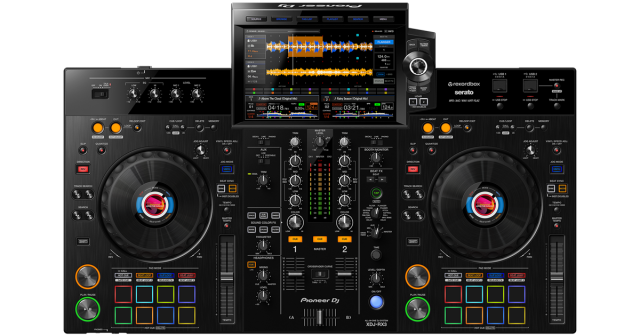
Exploring Key Features and Controls
Understanding your equipment’s layout is vital for effective DJing. The owners manual outlines each button, knob, slider, and wheel on your controller or mixer.
Jog Wheels: These large, touch-sensitive wheels allow you to scratch, pitch bend, and nudge tracks for seamless beatmatching.
Cue and Play Buttons: Used to preview and play tracks during your set.
Faders and Crossfaders: Volume control sliders that let you blend two or more audio sources smoothly.
Effect Knobs and Pads: Assignable controls to add echo, reverb, filters, or trigger samples.
Loop Controls: Initiate loops to extend parts of a track or create remixes live.
The setup guides and owners manual provide detailed instructions on customizing the function of these controls, including setting hot cues and memory loops, making your mixes more dynamic.
Software Setup & Integration
Pioneer DJ equipment typically integrates seamlessly with popular DJ software platforms. Whether you’re using Rekordbox, Serato DJ, or Traktor, the setup guides cover the installation and pairing process, including driver installation if required.
Register your device via the official Pioneer website to download software licenses and updates. The owners manual walks through mapping controls in the software and optimizing settings like latency and audio quality to prevent lag during live performances.
Many Pioneer models support standalone operation or use with smartphones, tablets, or standalone USB drives, providing flexibility in how you play your music.
Troubleshooting Common Issues
Despite Pioneer’s user-friendly design, occasional technical issues may arise. Troubleshooting manuals are essential resources for resolving problems such as:
No audio output: Check speaker connections, audio routing in software, and device mixer settings.
Controller not recognized: Ensure proper USB cable function, try different ports, and reinstall necessary drivers.
Lag or audio dropout: Adjust audio buffer size in software preferences or update your computer’s drivers.
Buttons unresponsive: Perform a firmware update following service manuals or reset the device to factory settings.
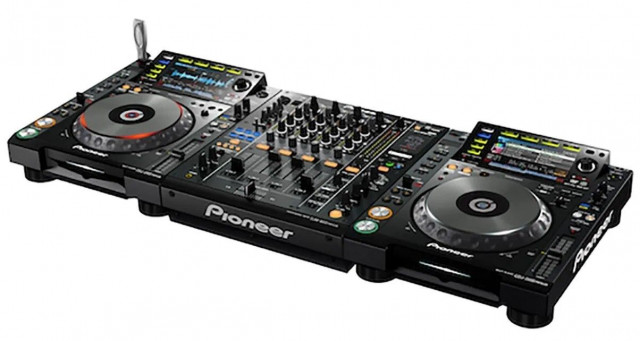
If these steps don’t solve your issue, repair manuals contain detailed schematic diagrams and part numbers that assist technicians with component repairs or replacements.
Maintaining Your Pioneer DJ Equipment
Regular cleaning and upkeep maintain the performance and longevity of your DJ gear. The service manuals recommend wiping down surfaces, knobs, and jog wheels with a soft cloth and non-abrasive cleaner. Keep ports and connectors dust-free, and protect your equipment with covers when not in use.
Avoid spilling liquids on your hardware, and store your gear in a dry, temperature-controlled environment to prevent damage.
Accessing Pioneer DJ Manuals Online
Having digital access to your owners manual, setup guides, troubleshooting manuals, service manuals, and repair manuals is invaluable. Manuals.Online offers a quick and convenient platform to download all official Canon documentation by simply inputting your model number.
This ensures you always have trusted, manufacturer-approved information whenever you need detailed instructions or technical support.
With the help of your Pioneer DJ equipment owners manual and its related guides, you will confidently set up, operate, and maintain your DJ gear—enabling you to focus on your passion and elevate your performances.


1 kommentti
farhanjani
21.7.2025 17:47
como limpiar una pistola de pintura https://iberkleen.com/como-limpiar-una-pistola-de-pintura-guia-completa-para-una-limpieza-profesional/ . Join the green cleaning revolution with IBERKLEEN’s eco-friendly ultrasonic cleaning machines that reduce chemical waste.