How to Maintain Your Vehicle After Car Body Repair
10.12.2025 12:00(Päivitetty: 16.12.2025 13:18)
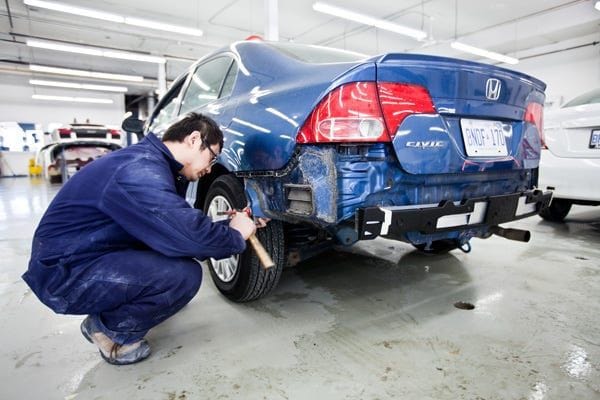
Car accidents and dents can be stressful, but having your vehicle professionally repaired can restore its appearance and functionality. However, the job doesn’t end once the bodywork is completed. Proper maintenance after a car body repair is essential to ensure your vehicle remains in top condition, both aesthetically and mechanically. This guide will provide practical tips and advice to help you protect your investment and prolong the life of your car after body repairs.
[b]Understanding the Importance of Post-Repair Maintenance[/b]
After a body repair, your car’s paint, panels, and structural elements are more vulnerable than usual. Small scratches, exposure to harsh weather, or neglect can compromise the repair work and reduce the lifespan of the restored parts. By following a proper maintenance routine, you can preserve the appearance of your vehicle and prevent costly future repairs.
Professional repair centers, like those offering [url=https://aurora-autocollision.com/richmond-hill-on/]Body Repair in Richmond Hill ON[/url], use specialized techniques and materials to restore your vehicle. These repairs need extra care initially to ensure the paint cures correctly and protective coatings remain effective. Ignoring post-repair maintenance can lead to fading, corrosion, or misalignment over time.
[b]Initial Care After Body Repair[/b]
Immediately following a body repair, it’s important to take specific steps to protect your vehicle. Paintwork, in particular, can be sensitive for a few weeks after the repair process. Avoid washing your car for at least 48 hours to allow the paint to fully set.
Additionally, refrain from applying wax or polish until the recommended curing period is over. Using protective covers can shield your vehicle from dust, debris, and direct sunlight, which can affect the fresh paint finish. Driving cautiously is also key—avoid gravel roads or areas with loose debris that could scratch or chip the repaired surfaces.
[b]Regular Cleaning and Washing[/b]
Maintaining cleanliness is one of the most effective ways to protect your car after a body repair. Dirt, grime, and road salt can damage both the paint and the repaired metal surfaces. Regular washing ensures that harmful particles are removed before they have a chance to cause long-term damage.
Use mild car shampoos and soft microfiber cloths to avoid scratching the new paint. For best results:
• Wash your car at least once every two weeks.
• Rinse thoroughly to remove all soap residue.
• Dry the vehicle with a clean, soft towel to prevent water spots.
• Consider using touchless car washes for added safety.
By keeping your vehicle clean, you not only preserve its visual appeal but also extend the life of the body repair work.
[b]Protecting the Paintwork[/b]
Paint protection is crucial after a body repair. Freshly painted surfaces are particularly sensitive to UV rays, environmental pollutants, and minor abrasions. Applying protective measures can prevent fading, discoloration, and oxidation.
Invest in high-quality wax or paint sealants once the curing period is complete. Ceramic coatings are another excellent option, providing long-lasting protection against environmental damage. Remember to follow manufacturer instructions and avoid harsh chemicals that could degrade the paint finish. Regular inspections for chips or scratches allow you to address minor issues before they worsen.
[b]Handling Minor Scratches and Dents[/b]
Even after a professional repair, your vehicle may encounter minor scratches or dents. Addressing them promptly can prevent further damage and rust formation. Use touch-up paint for small scratches and monitor areas prone to chipping.
For minor dents, professional repair kits can be useful, but avoid DIY methods that may harm the newly repaired surface. If unsure, always consult a certified body repair specialist to ensure proper handling.
[b]Maintaining Alignment and Structural Integrity[/b]
Body repairs often involve adjustments to panels, frames, or suspension components. Maintaining proper alignment is essential for vehicle safety and optimal driving performance.
Pay attention to:
• Unusual vibrations or noises while driving
• Steering wheel misalignment
• Uneven tire wear
If any of these signs appear, visit your repair shop promptly. Properly maintained alignment reduces strain on suspension and steering components, preventing additional repairs and ensuring safer driving.
[b]Interior Care After Repair[/b]
Body repairs often involve work near doors, windows, or interior panels. Protecting the interior after such repairs ensures that the vehicle remains in excellent condition. Avoid heavy pressure on repaired door panels, be cautious with seat belts, and clean interior surfaces regularly to maintain a polished look.
Using sunshades can protect both the interior and the exterior paint from UV damage, especially during the initial weeks after a body repair.
[b]Routine Maintenance Checks[/b]
Regular maintenance checks are essential to identify potential issues early. A well-maintained vehicle after body repair not only looks good but also performs efficiently. Include these steps in your routine:
• Inspect tires and brakes for wear
• Check fluid levels and refill as needed
• Monitor the battery and electrical systems
• Examine the undercarriage for rust or corrosion
Early detection of problems ensures that small issues do not escalate into expensive repairs.
[b]Benefits of Professional Inspection[/b]
Even after completing the recommended post-repair maintenance, scheduling professional inspections is highly beneficial. Certified mechanics can identify hidden issues, such as frame misalignments, paint imperfections, or corrosion risks.
Regular inspections also maintain your vehicle’s resale value, as documented professional care reassures potential buyers of its condition.
[b]Long-Term Care Tips[/b]
To maximize the longevity of your vehicle after body repairs, consider the following long-term strategies:
• Parking: Whenever possible, park in shaded or covered areas to protect against sun, rain, and debris.
• Driving habits: Avoid aggressive driving that may stress repaired panels or suspension components.
• Seasonal care: Apply winter protection measures, like undercoating or rust-proofing, to prevent corrosion during harsh weather.
• Professional detailing: Periodically, invest in professional detailing to maintain the paint and interior quality.
[b]Conclusion[/b]
Proper care after a car body repair is crucial for preserving the vehicle’s appearance, safety, and overall value. By following a combination of immediate post-repair steps, regular cleaning, protective measures, and professional inspections, you can ensure your car stays in excellent condition for years to come.
Whether you’ve had minor scratches fixed or major collision repairs done, adhering to these maintenance tips will help you enjoy a flawless, well-maintained vehicle. For those looking for trusted services, professional providers specializing in Body Repair in Richmond Hill ON can offer high-quality work and advice tailored to your car’s needs.