indiatravelthings

India, a land of diverse landscapes and rich biodiversity, stands as an ideal destination for tiger safaris. As a wildlife enthusiast or a traveler seeking an adventure into the heart of nature.

10 Best Wildlife Safaris in India Every Nature Lover Must Experience

India is a land of stories, colors, and unforgettable journeys. But beyond the palaces, temples, and buzzing cities lies a world that feels untouched and beautifully wild. Dense jungles whisper old secrets, golden grasslands move with the wind, and rivers carry ancient tales. Deep inside these natural wonders, India’s wildlife lives freely, making the country one of the most exciting destinations for safari lovers.

If you have ever dreamed of watching a tiger walk across a sunlit forest path, spotting herds of elephants beside a calm river, or hearing birdsong echo in the cool morning air, this guide is for you. Wildlife safaris in India are not just trips. They are emotional experiences that stay with you long after the journey ends. They teach patience, spark curiosity, ignite joy, and reconnect you with nature.

Whether you are planning your first safari in India or looking for your next great adventure, here are the 10 best wildlife safaris in India every nature lover must experience, each with a unique landscape, special wildlife sightings, and a charm that feels magical.

1. Ranthambore National Park, Rajasthan

Best for: Tiger Sightings, Photography
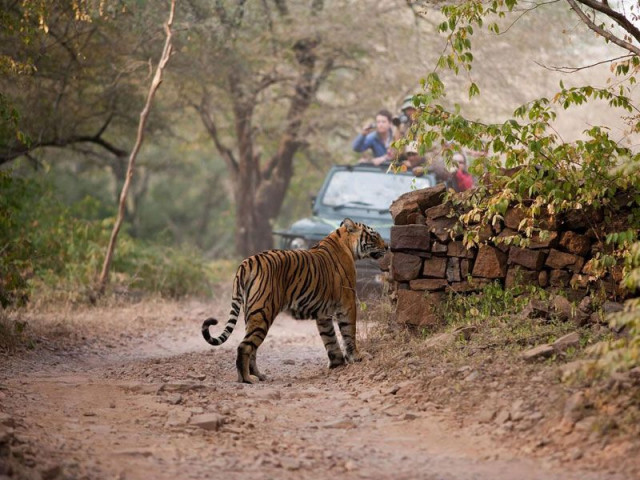
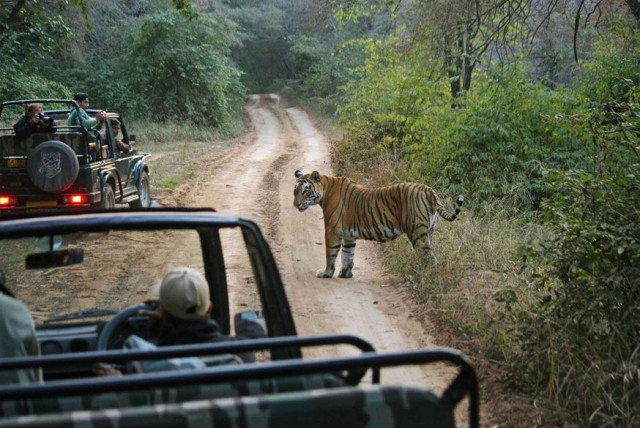
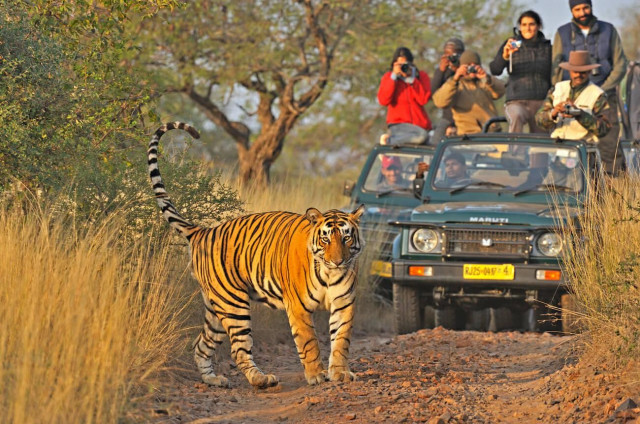
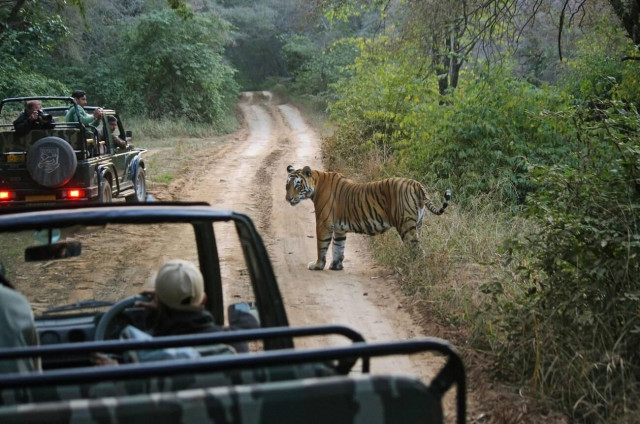
Ranthambore is one of India’s most iconic tiger reserves, famous for its royal Bengal tigers that roam freely among the ruins of ancient forts and temples. The moment you enter the park, the scenery feels straight out of a timeless story. The tall cliffs, serene lakes, and grand Ranthambore Fort create a dramatic backdrop for wildlife adventures.

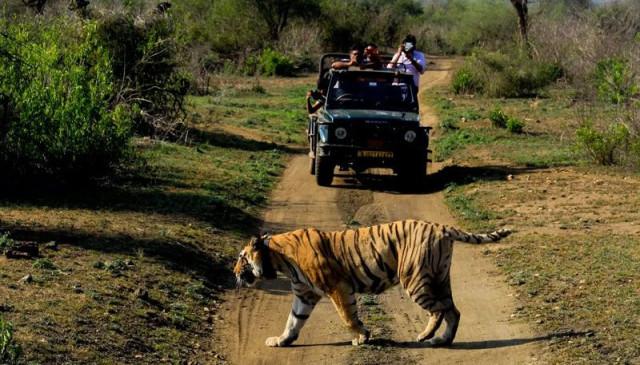
Tigers here are known for being camera-friendly, so photographers adore this place. You may even witness a tiger resting near a lake, walking across a grassy trail, or playing with its cubs at a distance. Apart from tigers, the park is home to leopards, sloth bears, hyenas, deer, crocodiles, and hundreds of birds.

Why visit: Famous tiger reserve, beautiful landscapes, high chance of sightings
Best time: October to June

2. Jim Corbett National Park, Uttarakhand

Best for: Elephant Herds, Birdwatching, River Safaris
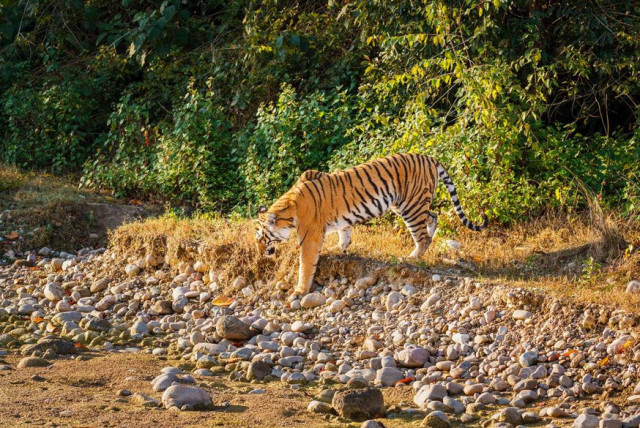
Jim Corbett is India’s oldest national park and offers a rare blend of mountains, rivers, dense forests, and wide valleys. The mighty Ramganga River flowing through the park makes Corbett incredibly scenic. Early morning safaris feel fresh and magical as sunlight filters through tall sal forests.

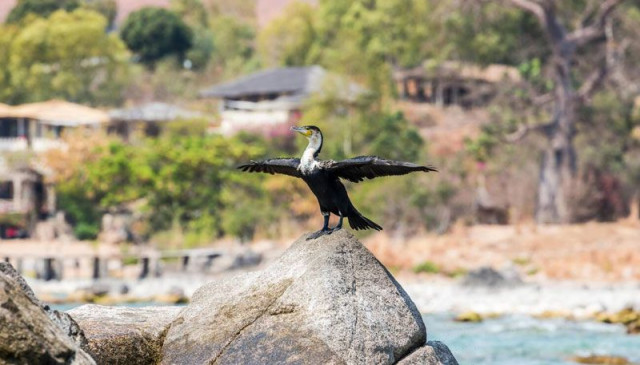
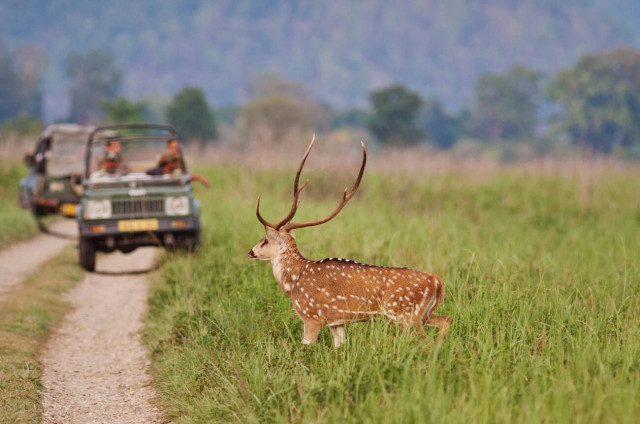
The park is well-known for Asian elephants, spotted deer, otters, gharials, and over 500 species of birds. While tigers do live here, spotting them requires patience since the forest is thick. But that is the charm of Corbett. Every turn of your jeep brings a new surprise.
Must Book:

Why visit: Rare landscapes, river views, elephants, excellent birdwatching
Best time: November to June

3. Kaziranga National Park, Assam

Best for: One-Horned Rhinoceros, Elephant Safaris
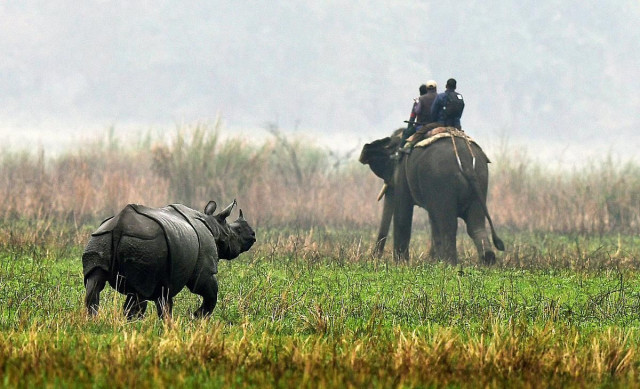
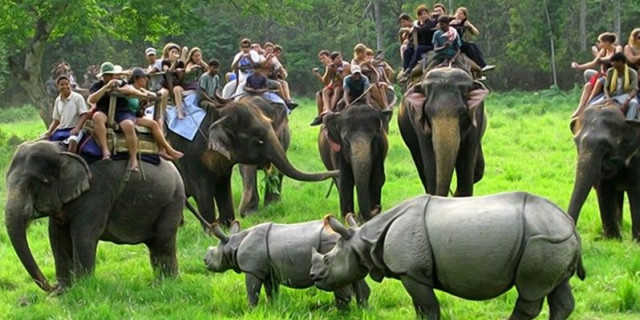
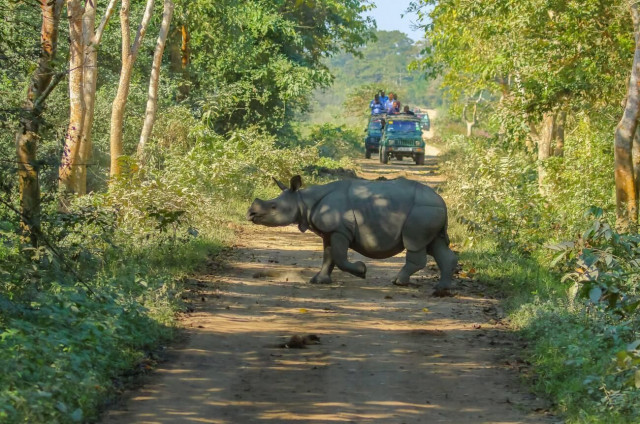
Kaziranga is the pride of Northeast India and home to the world’s largest population of the one-horned rhinoceros. The park has tall elephant grass, lush wetlands, and wide open spaces, making it perfect for wildlife viewing. Jeep safaris and elephant safaris both offer incredible views of rhinos grazing peacefully in the fields.

Apart from rhinos, Kaziranga is also home to tigers, wild buffaloes, swamp deer, and a huge variety of birds. Watching an elephant slowly walk you through misty grasslands at sunrise is an experience you will never forget.

Why visit: Best place to see one-horned rhinos, stunning greenery
Best time: November to April

4. Gir National Park, Gujarat

Best for: Asiatic Lions, Dry Forest Ecosystem
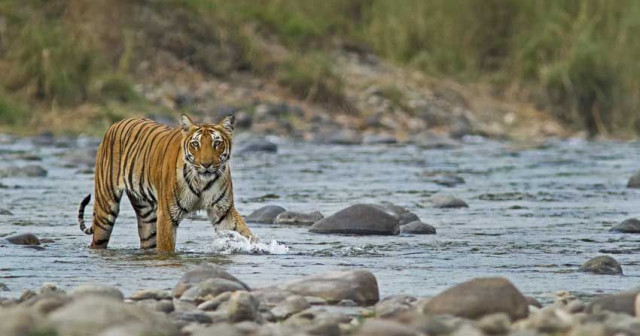
Gir is the only place in the world where you can see Asiatic lions in the wild. These majestic creatures once roamed across Asia, but today they survive only in this protected forest of Gujarat. The landscape is different from many other parks. It has dry deciduous forests, rocky hills, and open scrub areas that make it easier to spot lions.

A safari in Gir is full of excitement as you might see a lion resting under a tree, a lioness watching over her cubs, or a pride walking together. The park is also home to leopards, jackals, nilgai, and rare birds.

Why visit: Only home of Asiatic lions, great visibility
Best time: December to April

5. Kanha National Park, Madhya Pradesh

Best for: Tiger Sightings, Peaceful Forests, Barasingha Deer

Kanha is often called one of the most beautiful forests in India, and it truly feels like a dreamy jungle. Tall sal trees, open meadows, and misty mornings make Kanha incredibly charming. It is also home to the rare barasingha, also known as the swamp deer, which was once on the verge of extinction but now thrives here.

Tiger sightings are common, and many travelers describe the experience as emotional and unforgettable. The park’s calm, natural energy makes it ideal for those who love peaceful landscapes and long, relaxed safaris.

Why visit: Stunning beauty, abundant wildlife, famous tiger reserve
Best time: October to June

6. Bandhavgarh National Park, Madhya Pradesh

Best for: High Tiger Density, Rich History

If spotting a tiger is your dream, Bandhavgarh should be on your list. This park has one of the highest densities of tigers in India, which means the chances of seeing one are very high. The forest is full of hills, valleys, and a majestic fort on top that adds a historical touch to your safari.

Bandhavgarh is also home to leopards, wild boars, deer, langurs, and colorful birds. Many travelers leave the park with emotional stories about their first tiger sighting, something they remember for a lifetime.

Why visit: Very high chance of spotting tigers, beautiful terrain
Best time: October to June

7. Periyar Wildlife Sanctuary, Kerala

Best for: Boat Safaris, Elephant Sightings, Scenic Beauty

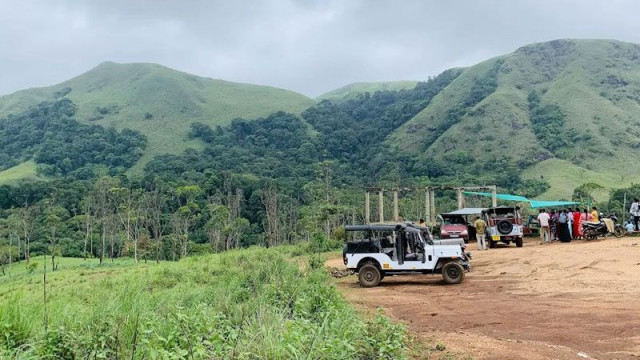
Periyar is different from most wildlife parks in India because it offers boat safaris on a peaceful lake surrounded by green hills. Watching elephants, deer, or bison walk near the water while you float quietly on a boat feels incredibly magical.

The cool climate, lush forests, and fresh air make Periyar ideal for travelers who want a relaxing and scenic wildlife experience. Periyar also has guided nature walks, bamboo rafting, and night treks for adventure lovers.

Why visit: Unique boat safari, stunning scenery, rich wildlife
Best time: October to February

8. Tadoba Andhari Tiger Reserve, Maharashtra

Best for: Frequent Tiger Sightings, Raw Forest Experience

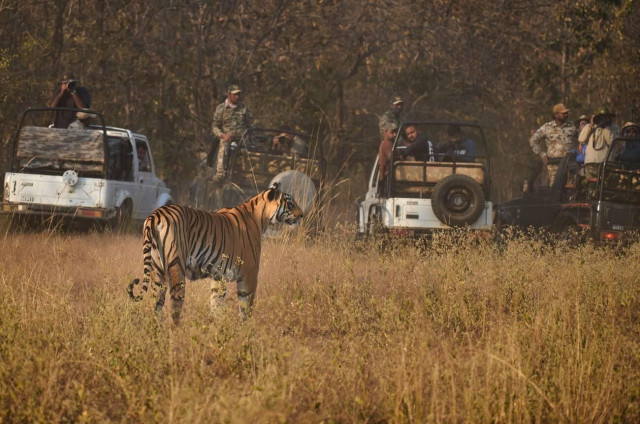
Tadoba has gained huge popularity in the last few years because of its excellent tiger sighting record. The forest is raw, wild, and beautifully quiet. Many travelers spot tigers walking near lakes, crossing roads, or resting in the shade.

Apart from tigers, Tadoba is home to leopards, wild dogs, sloth bears, and a variety of birds. The peaceful atmosphere and wide open landscapes make safaris here incredibly enjoyable.

Why visit: Reliable tiger sightings, untouched natural beauty
Best time: October to June
Must read:[url=https://hackmd.io/@indiatravelvibes/best-wildlife-safari-in-india-for-families]Safari in India for Families[/url]

9. Sundarbans National Park, West Bengal

Best for: Mangrove Forests, Boat Safaris, Unique Wildlife

The Sundarbans is unlike any other wildlife destination in India. It is the world’s largest mangrove forest and home to the legendary Royal Bengal Tiger that has adapted to swimming in the tidal waters. Safaris here take place mostly on boats, passing through winding rivers surrounded by thick mangroves.

Spotting a tiger is difficult in Sundarbans because of the dense landscape, but the entire experience feels adventurous and mysterious. You might spot crocodiles, dolphins, mudskippers, rare birds, and fishing boats moving slowly through the forest.

Why visit: Only place with swimming tigers, thrilling boat safaris
Best time: November to March

10. Hemis National Park, Ladakh

Best for: Snow Leopards, Mountain Wildlife, High-altitude Adventure**

If you are looking for a once-in-a-lifetime wildlife experience, Hemis National Park is the place to be. This high-altitude park in Ladakh is one of the best places in the world to see the elusive snow leopard. Trekking through snowy mountains, breathing crisp cold air, and scanning the cliffs for a glimpse of the ghost cat is an experience that feels spiritual.

Along with snow leopards, Hemis is home to blue sheep, Tibetan wolves, red foxes, and golden eagles. This is not a typical safari. It is a challenging and deeply rewarding adventure for true nature lovers.

Why visit: Snow leopards, Himalayan landscapes, rare wildlife
Best time: December to March

Tips to Make Your Wildlife Safari in India Memorable

1. Choose the right season
Many parks close during the monsoon. Winter and summer are best for clear sightings.

2. Book safaris early
Popular reserves like Ranthambore or Bandhavgarh get fully booked months in advance.

3. Stay inside or near the park
It gives you more safari options and a deeper jungle experience.

4. Go with trained naturalists
They help you spot animals, understand the forest better, and enjoy the journey safely.

5. Be patient
Wildlife spotting is about timing and luck. Enjoy the forest itself, not just the animals.

6. Respect nature
Stay quiet, avoid littering, and never disturb animals.

Final Thoughts
India’s wildlife safaris are emotional journeys that remind you how beautiful and powerful nature truly is. Whether it is the roar of a tiger echoing through the forest, the sight of a rhino grazing in golden grass, or the calm of a sunrise boat ride, each experience feels magical in its own way.

From the dry forests of Gir to the icy mountains of Ladakh, every safari in India offers something unforgettable. Choose the ones that speak to your heart, pack your camera, and get ready to explore wild India in all its glory.
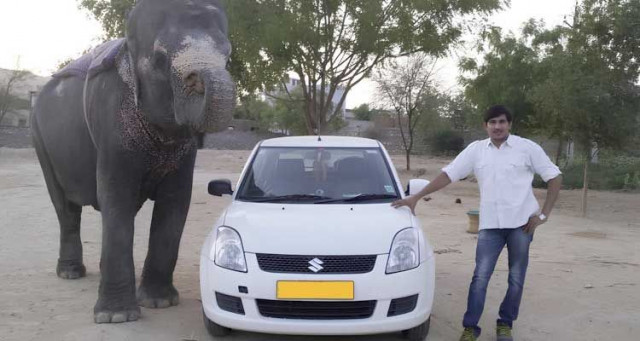
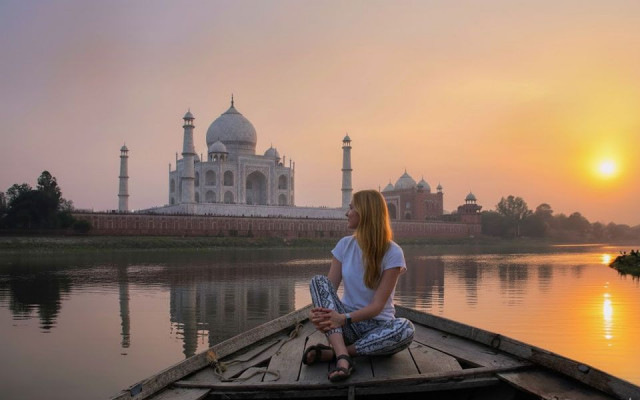
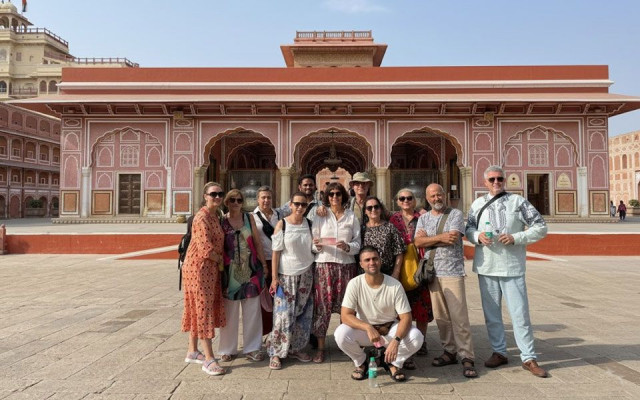
Hiring a Private Car and Driver in India is the Smartest Choice

Traveling through India is like stepping into a world filled with colors, history, spirituality, and vibrant life. From ancient temples and royal palaces to peaceful lakes, busy bazaars, and dramatic landscapes, the country offers endless experiences at every turn. But India can also feel overwhelming for first-time visitors because of its size, crowded cities, diverse cultures, and unique style of driving.

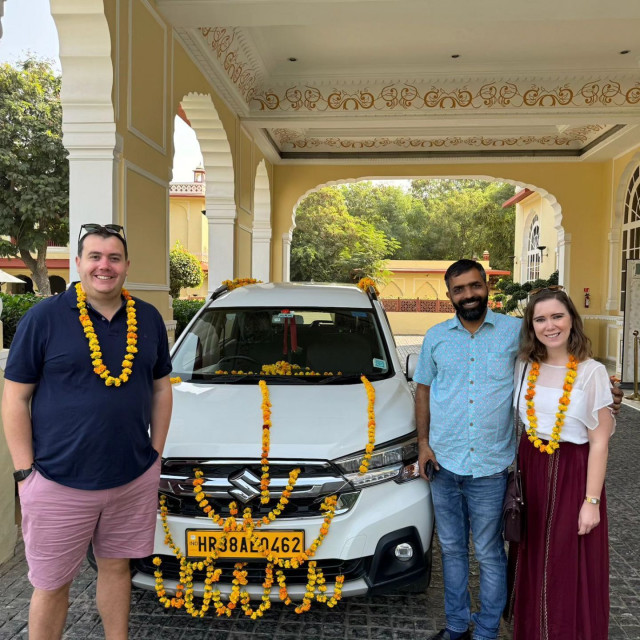
This is exactly why many travelers choose to India private Car and Driver. It is not just a service. It becomes a comfort, a guide, and often the most memorable part of the journey.

In this guide, let’s explore how a private driver improves your entire India travel experience, making your trip more relaxed, enjoyable, and personal.

You Travel Stress-Free in a Country Full of Surprises

India’s roads are lively, energetic, and sometimes unpredictable. Traffic has its own rhythm, streets can be narrow, and signboards may not always be clear. Driving on your own can easily become stressful, especially for someone unfamiliar with the local environment.

With a private driver, all that stress disappears.

You don’t have to worry about:
navigating crowded roads
dealing with traffic
finding parking
reading maps
managing tolls

avoiding wrong routes

Instead, you relax in the back seat, enjoy the views, listen to music, or chat with your travel companions. Your driver handles everything while you soak in the beauty of the country.

Your Safety Comes First

Safety is one of the biggest reasons travelers choose a private driver in India. Professional drivers are trained to handle every situation, whether it’s:

long highway routes
busy city roads
steephill stations
narrow village lanes

They understand local driving styles and know how to navigate smoothly. For solo women travelers, seniors, or families with kids, this brings immense peace of mind.

Your driver also helps you find:

clean and safe rest stops

trusted restaurants

well-reviewed hotels

secure areas to explore

This sense of security

makes your trip calmer and more enjoyable.

You Get Local Insights That No Guidebook Can Offer

A private driver is more than someone behind the wheel. They carry priceless local knowledge.

They know the things Google won’t tell you, like:

the best time to visit each attraction

shortcuts that save hours

restaurants that serve authentic food

hidden spots for beautiful photos

local markets worth exploring

festivals or events happening around you

Drivers often share stories about local legends, family traditions, historical events, and cultural customs. These conversations add depth to your trip and help you understand India more intimately.

Enjoy More Flexibility and Freedom

One of the biggest advantages of having a private driver is the freedom to travel at your own pace.

You can:

stay longer at places you love

skip places that don't interest you

stop for photos anytime

enjoy sunrise or sunset wherever you wish

explore offbeat villages

visit attractions outside the usual tourist circuit

Unlike group tours that follow strict schedules, a private driver gives you full control. Your journey becomes personal and flexible, shaped exactly the way you want.

Ideal for Long Distances and Multi-City Tours

India is vast. Many popular destinations are spread far apart, such as:

Delhi – Agra – Jaipur (Golden Triangle)

Jaipur – Jodhpur – Jaisalmer

Udaipur – Mount Abu – Kumbhalgarh

Mumbai – Goa – Gokarna

Cochin – Munnar – Alleppey

A private driver makes these long trips smooth and comfortable. You can rest, read, nap, or simply enjoy the scenery while your driver takes care of the road.

Road trips become relaxing instead of tiring. You reach each destination fresh and ready to explore.

Luggage Stays Safe and Secure

When traveling by train, bus, or public taxis, keeping track of your luggage can be stressful. But with a private car and driver, your bags stay safely locked inside the vehicle.

Your driver watches over them while you:

explore a monument
enjoy a market
visit a temple
take photos
enjoy a guided tour

You feel free to walk around without worrying about your belongings.

You Save Time and Avoid Travel Mistakes

A knowledgeable driver knows how to plan your day wisely. They save you from unnecessary delays by guiding you toward the best timings and smoothest routes.

For example:

visiting the Taj Mahal early to avoid crowds
avoiding Jaipur city traffic during peak hours
suggesting the best time for boat rides in Udaipur
choosing the fastest highway to reach Agra

avoiding roads under construction

You save precious hours that you can use for sightseeing, relaxing, or enjoying local experiences.

Explore Offbeat Places You Would Never Find Alone
Some of India’s most beautiful spots are hidden away from tourist crowds. A private driver knows about these lesser-known gems.

They might take you to:

a quiet lake for sunset
a hilltop viewpoint for panoramic photos
a small village known for handicrafts
a peaceful temple tucked in the countryside
a local market where real life unfolds

These experiences create special memories that most tourists miss.

Comfortable Travel in All Seasons
India’s weather changes quickly across regions.
Summers can be extremely hot
Monsoons bring sudden showers
Winters can be chilly in the north

Having your own air-conditioned vehicle ensures comfort everywhere. You’re protected from extreme weather, dust, humidity, and long walking distances.

Perfect for Families, Couples, and Solo Travelers

A private driver is suitable for every type of traveler:

Families
Kids can rest comfortably, and parents travel stress-free.

Couples
Romantic trips feel more intimate and personalized.

Seniors
Older travelers appreciate easy mobility and support.

Solo Travelers

They feel safe, supported, and emotionally comfortable.

Whether it’s a spiritual journey, a luxury vacation, or an adventure trip, a private driver adds ease to every experience.

You Build a Meaningful Human Connection

One of the most unexpected joys of hiring a private driver in India is the bond that forms naturally. Drivers often become friends, storytellers, helpers, and trusted companions.

You share car rides, stories, food recommendations, cultural insights, and sometimes even laughs. This connection stays in your heart long after the trip ends.

Many travelers say their driver was the best part of their India journey.

Your Trip Becomes More Personal and Authentic

With a private driver, you can experience India the way locals do. You see village life, try traditional food, visit local shops, and discover small moments of warmth and culture.

Your trip no longer feels rushed or mechanical. It becomes meaningful and authentic.

You feel less like a tourist and more like a traveler exploring a living, breathing culture.

Final Thoughts

India is a country that touches your soul with its colors, kindness, diversity, and history. But to truly enjoy it, you need comfort, flexibility, safety, and local understanding.

This is exactly what a private driver in India provides.

remove stress
enhance safety
offer local insights
save time
provide comfort
add flexibility

create memorable experiences

Traveling with a private driver transforms your journey into something smoother, richer, and emotionally fulfilling. It allows you to experience India with clarity, ease, and an open heart.

For many travelers, the bond they create with their driver becomes one of the most beautiful memories of their trip.


Solo Travel in India’s Golden Triangle: Delhi, Agra & Jaipur Itinerary, Tips

Welcome to the ultimate guide to solo travel India’s Golden Triangle — a journey that connects Delhi, Agra, and Jaipur, the three most iconic destinations in northern India. This classic route is a dream for travelers seeking culture, history, and adventure, and it’s perfect for anyone looking to explore India independently.

From the majestic Taj Mahal to Jaipur’s royal palaces and Delhi’s bustling bazaars, this Golden Triangle travel guide will help you plan a solo trip that’s safe, exciting, and unforgettable.

Why Choose a Solo Trip to India’s Golden Triangle?

Traveling solo through Delhi, Agra, and Jaipur is an empowering experience. It gives you freedom, confidence, and a chance to connect deeply with India’s soul.

1. Freedom and Flexibility

Go at your own pace — explore Delhi’s heritage, admire Agra’s marble wonders, and shop in Jaipur’s colorful markets without any fixed schedule. Every day is your own adventure.

2. Personal Growth and Self-Discovery

Solo travel teaches independence. Navigating new cities, learning Hindi phrases, and interacting with locals helps you grow and experience India from a unique, personal perspective.

3. Cultural Immersion

Traveling alone lets you dive deeper into India’s vibrant culture — try authentic street food, attend local festivals, and experience the warmth of Indian hospitality first-hand.

Planning Your Solo Golden Triangle Itinerary

A smart itinerary makes your solo trip stress-free and memorable. Most travelers explore the Golden Triangle in 6 to 10 days, depending on how deeply they want to experience each city.

Step 1: Research Each City

Delhi: A perfect blend of ancient heritage and modern energy.

Agra: Home to the Taj Mahal, one of the world’s greatest monuments.

Jaipur: The Pink City filled with palaces, forts, and royal charm.

Check travel blogs, watch vlogs, and read verified reviews before finalizing your route.

Step 2: Prioritize Must-See Attractions

If short on time, focus on:

Delhi: Red Fort, Qutub Minar, India Gate, Chandni Chowk

Agra: Taj Mahal, Agra Fort, Mehtab Bagh

Jaipur: Amber Fort, City Palace, Hawa Mahal, Jantar Mantar
Have more time? Add offbeat gems like Nahargarh Fort, Dilli Haat, or Jaipur’s Flower Market.

Step 3: Book Reliable Transportation

The most convenient way to travel between the cities is by private car with a driver. It’s safe, flexible, and comfortable — especially for solo travelers.
Trusted operators like India Golden Triangle Tour offer custom solo packages that include transport, guides, and hotel arrangements.

Top Tourist Attractions in Delhi, Agra, and Jaipur
Delhi: The Heart of India

Red Fort: Mughal grandeur and history.

Qutub Minar: The world’s tallest brick minaret.

Humayun’s Tomb: A stunning precursor to the Taj Mahal.

India Gate & Chandni Chowk: Dive into local culture, food, and chaos.

Agra: The City of Eternal Love

Taj Mahal: A timeless symbol of love.

Agra Fort: Massive sandstone fortress with panoramic views.

Mehtab Bagh: Best sunset views of the Taj Mahal.

Local Markets: Try Agra Petha and shop for marble crafts.

Jaipur: The Royal Pink City

Amber Fort: Take a jeep or elephant ride to the fort for breathtaking views.

City Palace: Blend of Mughal and Rajasthani architecture.

Hawa Mahal: The famous “Palace of Winds” with 953 windows.

Jantar Mantar: UNESCO World Heritage astronomical site.

Budget Tips for Solo Golden Triangle Travelers

Solo travel in India can be surprisingly affordable if planned wisely.

Set a Daily Budget: Estimate for food, stays, tickets, and transport.

Stay Smart: Budget hotels, hostels, and homestays offer comfort and safety.

Eat Local: Try street food like chaat, samosas, and lassi for authentic taste at low prices.

Use Combo Tickets: Jaipur offers combined entry passes to multiple attractions.

Travel by Train or Shared Cabs: Cheap and efficient options for intercity travel.

Track Your Expenses: Use travel apps to manage daily spending.

Transportation & Safety Tips for Solo Travelers
Best Ways to Get Around

Private Car with Driver: Ideal for long-distance comfort and flexibility.

Delhi Metro: Safe, clean, and efficient for city exploration.

Ola/Uber or Auto-Rickshaws: Great for short rides within cities.

Safety Essentials

Avoid deserted areas at night.

Share your live location with friends or family.

Keep digital copies of passport and visa.

Dress modestly and respect local traditions.

Stay in hotels or homestays with verified reviews.

When you’re alert and respectful, India’s Golden Triangle is safe, friendly, and welcoming for solo travelers.

Personal Recommendations from Solo Travelers

Delhi: Stay near Connaught Place for easy access to attractions and metro lines.

Agra: Try a homestay near Taj Ganj for authentic local hospitality.

Jaipur: Stay in a heritage haveli to experience royal vibes on a budget.

Join local walking tours, take cooking classes, or chat with shopkeepers — those small encounters often become your best memories.

Why Book with a Trusted Tour Operator

Even as a solo traveler, a reliable tour operator can make your experience smoother.
Companies like India Golden Triangle Tour provide:

Private cars with professional drivers
Guided sightseeing
Safe transfers
Personalized itineraries

This ensures you have freedom and independence, but without the stress of managing logistics.


Why the Golden Triangle India Tour Should Be on Your Travel Bucket List

If you could take just one journey to capture the spirit of India, the **Golden Triangle Tour** would be it. This iconic route connects three of India’s most captivating cities—**Delhi, Agra, and Jaipur**—forming a triangle of history, culture, and timeless beauty. Each stop reveals a new layer of India’s soul, from Delhi’s energetic chaos to Agra’s romantic aura and Jaipur’s royal charm. Whether you’re a first-time visitor or a returning traveler, the Golden Triangle is where India’s magic truly comes alive.

---

### **1. A Journey Through Centuries of History**

The Golden Triangle is like stepping into a living museum.
In Delhi, you’ll walk among Mughal-era forts and colonial-era boulevards; in Agra, you’ll stand before the **majestic Taj Mahal**, the eternal symbol of love; and in Jaipur, the **Amber Fort** and **City Palace** whisper tales of Rajput kings. Every monument, market, and street corner tells a story that blends empires, artistry, and legends of old India.

---

### **2. Architectural Marvels That Define India**

This route is an architectural dream come true. The **Red Fort** and **Qutub Minar** in Delhi, **Taj Mahal** and **Agra Fort** in Agra, and **Hawa Mahal** and **Jantar Mantar** in Jaipur are masterpieces of craftsmanship. From intricate marble inlays to towering sandstone walls, every structure showcases India’s artistic brilliance. Photographers and art lovers will find endless inspiration in every frame.

---

### **3. A Perfect Blend of Culture and Color**

Few journeys offer as much cultural diversity as the Golden Triangle. Delhi hums with modern life and ancient spirituality. Agra enchants with Mughal grace, and Jaipur dazzles with royal traditions. You can witness rickshaw rides in Chandni Chowk, savor Mughlai feasts in Agra, and watch Rajasthani folk dances beneath the stars. It’s a cultural carnival that keeps your senses alive from dawn till dusk.

---

### **4. Ideal for First-Time Travelers to India**

If you’re visiting India for the first time, the Golden Triangle Tour is the best introduction to the country’s diversity. It’s safe, convenient, and filled with must-see attractions. The distances between cities are manageable, and with a **private driver**, you can travel comfortably while exploring at your own pace. It’s a journey that balances adventure with relaxation, and discovery with comfort.

---

### **5. Culinary Adventures Along the Way**

Food is the heartbeat of Indian culture, and the Golden Triangle is a paradise for food lovers. Relish Delhi’s spicy **chaat**, Agra’s famous **petha** and Mughlai curries, and Jaipur’s rich **dal baati churma** and **laal maas**. A private driver often knows the best local eateries, ensuring you experience authentic flavors while avoiding tourist traps.

---

### **6. Shopping Experiences You’ll Never Forget**

The Golden Triangle is a shopper’s paradise. Delhi’s **Dilli Haat** and **Connaught Place** offer handicrafts from all over India, Agra tempts visitors with marble inlay souvenirs, and Jaipur’s **Johari Bazaar** sparkles with gemstones and colorful textiles. Whether you’re collecting souvenirs or fine art, the markets here offer treasures that embody India’s creativity and craftsmanship.

---

### **7. Flexibility and Comfort with a Private Driver**

Traveling the Golden Triangle with a **private car and driver** adds immense comfort and flexibility. No need to worry about bus or train schedules—you decide when to stop, where to eat, and how long to stay. Your driver becomes your local guide, ensuring a smooth and stress-free journey while sharing insights about local culture and hidden gems.

---

### **8. Year-Round Travel Destination**

Another reason travelers love the Golden Triangle is its accessibility throughout the year. The best time to visit is from **October to March**, when the weather is cool and pleasant, but each season offers something unique. The monsoon months paint the landscapes green, and summer brings festive energy and fewer crowds—ideal for budget travelers.

---

### **9. The Perfect Balance of Urban and Royal Experiences**

The Golden Triangle beautifully blends India’s cosmopolitan vibe with its regal past. In Delhi, you feel the pulse of modern India; in Agra, you encounter timeless romance; and in Jaipur, you step into royal grandeur. Together, they reveal the contrasts and harmonies that make India so mesmerizing.

---

### **10. Memorable Experiences Beyond Monuments**

The Golden Triangle isn’t just about sightseeing—it’s about experiences that stay with you forever. Watch the sunrise at the Taj Mahal, take an elephant ride to Amber Fort, explore spice-scented markets, or enjoy a Rajasthani folk dinner under lantern-lit skies. Every day offers moments that turn into lifelong memories.

---

### **Conclusion: The Heartbeat of Indian Travel**

The **Golden Triangle India Tour** is more than just a route—it’s an experience that defines the essence of India. From the historical lanes of Delhi to the marble dreams of Agra and the royal elegance of Jaipur, this journey captures India’s heart in one unforgettable trip.
For travelers seeking comfort, flexibility, and authentic local experiences, exploring the Golden Triangle with a **private driver** is the smartest and most rewarding way to discover the country’s soul.

---

Would you like me to add **Meta Title, Description, and Keywords** for this blog next (for SEO optimization)?


Top Wildlife Sanctuaries and Jungle Safari Destinations in India

India is a paradise for wildlife lovers, home to diverse ecosystems from Himalayan foothills to desert and coastal mangroves. These protected areas offer thrilling jungle safaris where you can see tigers, elephants, rhinos, leopards and countless bird species.

Whether you're a photographer, birdwatcher, or adventure seeker, these sanctuaries promise unforgettable encounters with the wild. Below are some of the top destinations to experience nature up close.

1. Jim Corbett National Park, Uttarakhand

Location: Nainital District, Uttarakhand | Best time: November to June | Famous for: Royal Bengal Tiger, Elephants, Crocodiles, Birds

India’s oldest national park, located in the Himalayan foothills with sal forests, grasslands and riverine belts. Famous zones include Dhikala and Bijrani.

Activities: Jeep and canter safaris, birdwatching, elephant rides, nature walks.

Highlight: Sunrise tiger sightings with mist over the grasslands.

2. Kaziranga National Park, Assam

Location: Golaghat & Nagaon, Assam | Best time: November to April | Famous for: One-horned Rhino, Elephants, Wild Buffaloes, Birds

A UNESCO World Heritage Site hosting two-thirds of the world's one-horned rhino population across floodplain grasslands of the Brahmaputra.

Activities: Jeep and elephant safaris, river cruises, birdwatching.

Highlight: Watching rhinos grazing in tall elephant grass.

3. Ranthambore National Park, Rajasthan
Location: Sawai Madhopur, Rajasthan | Best time: October to June | Famous for: Tigers, Leopards, Crocodiles, Ancient Ruins

Iconic tiger reserve near Ranthambore Fort. Open terrain makes sightings easier and gives photogenic moments of wildlife with ruins in the background.

Activities: Jeep & canter safaris, fort exploration, birdwatching, village tours.

Highlight: A tiger strolling past ancient fort ruins — a photographer’s dream.

4. Kanha National Park, Madhya Pradesh
Location: Mandla & Balaghat, Madhya Pradesh | Best time: October to June | Famous for: Tigers, Barasingha (Swamp Deer), Leopards

Inspiration for The Jungle Book — known for meadows, bamboo forests and the rare hard-ground Barasingha. Well-maintained with good safari systems.

Activities: Morning & evening jeep safaris, birdwatching, village visits.

Highlight: Seeing Barasingha grazing in open meadows.

5. Bandhavgarh National Park, Madhya Pradesh
Location: Umaria, Madhya Pradesh | Best time: October to June | Famous for: High tiger density, Leopards, Deer

Known for one of the highest tiger densities in India and the historic Bandhavgarh Fort within the park.

Activities: Jeep & elephant safaris, fort treks, birdwatching.

Highlight: Close tiger encounters in the popular Tala Zone.

6. Tadoba Andhari Tiger Reserve, Maharashtra
Location: Chandrapur, Maharashtra | Best time: February to May | Famous for: Tigers, Sloth Bears, Wild Dogs

“Jewel of Vidarbha” with dry deciduous forests, lakes and rivers attracting wildlife and offering strong tiger sighting chances.

Activities: Jeep safaris, nature photography, birdwatching.

Highlight: Tiger families drinking at Tadoba Lake during summer.

7. Periyar Wildlife Sanctuary, Kerala

Location: Thekkady, Idukki, Kerala | Best time: October to April | Famous for: Elephants, Boat Safaris, Birds

Scenic sanctuary in the Western Ghats surrounding Periyar Lake. Boat safaris offer a rare water-based wildlife experience.

Activities: Boat safaris, bamboo rafting, trekking, nature walks.

Highlight: Peaceful boat ride on Periyar Lake amid misty hills.

8. Pench National Park, Madhya Pradesh & Maharashtra
Location: Border of Seoni (MP) & Nagpur (MH) | Best time: November to May | Famous for: Tigers, Wild Dogs, Leopards

Pench inspired The Jungle Book and offers classic Indian tiger country with teak forests, rivers and rolling terrain.

Activities: Jeep safaris, night safaris (Maharashtra zone), village tours.

Highlight: Experiencing jungle scenes reminiscent of The Jungle Book.

9. Gir National Park, Gujarat
Location: Junagadh, Gujarat | Best time: December to April | Famous for: Asiatic Lions, Leopards, Deer

The only place to see the Asiatic lion in the wild. Successful conservation has restored lion numbers here.

Activities: Jeep safaris, Devalia interpretation park, birdwatching.

Highlight: Spotting the regal Asiatic lion on an early morning safari.

10. Satpura National Park, Madhya Pradesh
Location: Hoshangabad, Madhya Pradesh | Best time: October to April | Famous for: Leopards, Sloth Bears, Tigers, Gaur

A quieter, less-crowded park offering walking safaris, boat safaris and canoe rides for a deeper wilderness experience.

Activities: Jeep safaris, walking safaris, boat safaris, camping.

Highlight: Walking safaris through core forest areas — an intimate wilderness experience.

11. Sundarbans National Park, West Bengal
Location: Sundarbans delta, West Bengal | Best time: November to February | Famous for: Tigers, Saltwater Crocodiles, Mangroves

The world’s largest mangrove ecosystem and a UNESCO site, famous for tigers that swim between islands. Safaris are conducted by boat.

Activities: Boat safaris, village tours, birdwatching.

Highlight: Discovering tiger pugmarks and wildlife along muddy riverbanks.

12. Nagarhole National Park, Karnataka
Location: Kodagu & Mysore, Karnataka | Best time: October to May | Famous for: Elephants, Tigers, Leopards

Part of the Nilgiri Biosphere Reserve. Lush forests and the Kabini River attract large herds of elephants and diverse birdlife.

Activities: Jeep & boat safaris, birdwatching, photography.

Highlight: Elephants crossing the Kabini backwaters at sunset.

13. Sariska Tiger Reserve, Rajasthan
Location: Alwar, Rajasthan | Best time: October to June | Famous for: Tigers, Leopards, Historical Sites

A convenient wildlife getaway from Jaipur with rocky landscapes and historic sites like Kankwari Fort inside the reserve.

Activities: Jeep safaris, temple & fort visits, photography.

Highlight: Combining tiger sightings with a visit to hidden forts and temples.

14. Panna Tiger Reserve, Madhya Pradesh
Location: Panna District, Madhya Pradesh | Best time: November to May | Famous for: Tigers, Leopards, Waterfalls

Located near Khajuraho, successfully revived its tiger population through reintroduction programs. The Ken River flows through the reserve creating scenic gorges and waterfalls.

Activities: Jeep safaris, boat safaris, photography.

Highlight: Boating on the Ken River with forested cliffs as a backdrop.

15. Desert National Park, Rajasthan
Location: Near Jaisalmer, Rajasthan | Best time: November to February | Famous for: Great Indian Bustard, Desert Fox, Reptiles

Explore unique Thar Desert wildlife adapted to harsh conditions. Sparse vegetation but specialized species and dramatic dune landscapes.

Activities: Jeep safaris, birdwatching, stargazing and camping.

Highlight: Seeing the Great Indian Bustard across golden dunes.

Prepared for wildlife lovers and photographers — use this as a simple guide to plan safaris and visits across India’s top sanctuaries.


Best wildlife National parks in Rajasthan India

When people think of Rajasthan, vibrant palaces, golden deserts, and regal forts often come to mind. But hidden beyond its royal façade lies a wilderness as enchanting as its history. The state is home to some of India best wildlife national parks, offering everything from thrilling tiger safaris to mesmerizing birdwatching expeditions.

With landscapes that vary from Aravalli hills to dry deserts and lush wetlands, Rajasthan creates the perfect ecosystem for diverse wildlife. National parks like Ranthambore, Sariska, Keoladeo, Desert National Park, and Kumbhalgarh showcase the state’s untamed beauty.

Why Rajasthan is a Wildlife Lover’s Paradise

Unlike many other Indian states, Rajasthan offers a fusion of desert and forest ecosystems. This makes it an extraordinary place for spotting tigers, leopards, sloth bears, antelopes, desert foxes, and migratory birds.

The Royal Bengal Tiger and Big Cats

Rajasthan is renowned for its tiger population, especially in Ranthambore and Sariska, where the Royal Bengal Tiger roams freely. Wildlife enthusiasts flock here for once-in-a-lifetime encounters with this majestic predator.

Unique Desert Wildlife of Rajasthan

The Thar Desert ecosystem supports rare species like the Great Indian Bustard, desert fox, spiny-tailed lizard, and blackbuck. These creatures thrive in Rajasthan’s arid yet fascinating landscapes.

Ranthambore National Park – The Tiger Kingdom

History and Legacy of Ranthambore

Ranthambore Tiger safari

Located near Sawai Madhopur, Ranthambore was once the hunting grounds of the Maharajas. Today, it’s one of the most famous tiger reserves in India, offering spectacular sightings against the backdrop of the ancient Ranthambore Fort.

Best Time to Visit Ranthambore

The park is open from October to June, with summer offering higher chances of tiger sightings near waterholes.

Safari Experience in Ranthambore

Jeep and canter safaris in ranthambore allow visitors to explore Ranthambore’s rugged landscapes. Apart from tigers, you can spot marsh crocodiles, leopards, jackals, and over 300 bird species.

Sariska Tiger Reserve – The Hidden Wilderness
Project Tiger and Sariska’s Revival

Sariska tiger
Sariska tiger

Once facing tiger extinction, Sariska saw a revival through Project Tiger. Tigers were relocated here from Ranthambore, and today, the reserve thrives with growing tiger numbers.

Jeep Safari in Sariska

Sariska is less crowded than Ranthambore, offering a peaceful safari experience. Wildlife includes hyenas, wild boar, chinkara, and an impressive range of birdlife.

Desert National Park – Rajasthan’s Unique Wilderness
The Great Indian Bustard Sanctuary

Stretching across Jaisalmer and Barmer, this park is one of the last refuges of the critically endangered Great Indian Bustard, India’s state bird candidate.

Flora and Fauna in the Desert Landscape

The park features sand dunes, rocky outcrops, and salt lakes, supporting species like desert foxes, chinkara, vultures, and kestrels.

Keoladeo National Park – Birdwatcher’s Paradise
UNESCO World Heritage Status

bharatpur Bird
bharatpur Bird

Once a royal hunting reserve, Keoladeo (Bharatpur Bird Sanctuary) is now a UNESCO World Heritage Site, attracting ornithologists from around the world.

Migratory Birds at Keoladeo

Every winter, migratory birds from Central Asia, Europe, and Siberia flock here, including Siberian cranes, pelicans, storks, and kingfishers.

Kumbhalgarh Wildlife Sanctuary – Leopards & Hills
The Untamed Aravalli Experience

Spread along the Aravalli Hills, this sanctuary is known for leopard sightings and its scenic wilderness surrounding the mighty Kumbhalgarh Fort.

Eco-Trekking and Safari Trails

Visitors can enjoy jeep safaris, eco-treks, and cultural experiences with local tribes while spotting wolf packs, sloth bears, and bird species.

Top Tips for Wildlife Safaris in Rajasthan

Book safaris well in advance, especially for Ranthambore.

Wear neutral-colored clothing to blend with the surroundings.

Carry binoculars and cameras for birding and wildlife photography.

Respect park rules—no loud noises, no littering, and no feeding animals.

Best Time to Visit Rajasthan for Wildlife Adventures

The cool season (October–March) is ideal for comfortable safaris. However, if your goal is tiger sightings, visit in April–June, when animals gather near water bodies.

Responsible Tourism and Conservation Efforts

Many of Rajasthan’s national parks actively promote eco-tourism and involve local communities in conservation. By choosing licensed guides and eco-friendly stays, tourists contribute to preserving the fragile ecosystems.

FAQs on Rajasthan’s National Parks

Q1. Which is the best national park in Rajasthan for tiger sightings?
Ranthambore National Park is the best for tiger sightings due to its high tiger population.

Q2. Is Sariska worth visiting compared to Ranthambore?
Yes, Sariska is less crowded and offers a peaceful safari with good chances of spotting big cats.

Q3. Can I see leopards in Rajasthan?
Yes, Kumbhalgarh Wildlife Sanctuary and Jhalana Leopard Safari near Jaipur are popular for leopard sightings.

Q4. Which is the best birdwatching destination in Rajasthan?
Keoladeo National Park in Bharatpur is India’s top birdwatching spot.

Q5. What is the rarest animal I can spot in Rajasthan?
The Great Indian Bustard in Desert National Park is one of the rarest sightings.

Q6. How many national parks are there in Rajasthan?
Rajasthan has 5 national parks and over 20 wildlife sanctuaries.

Conclusion – Journey into Rajasthan’s Wild Heart

From the tiger-filled forests of Ranthambore to the desert landscapes of Jaisalmer and the birding paradise of Bharatpur, Rajasthan is more than forts and palaces. Its national parks are a gateway to India’s untamed wilderness, offering unforgettable safaris and encounters with rare species.


The Ultimate Rajasthan Road Trip with a Private Driver

Have you ever dreamed of cruising through golden deserts, stepping into royal palaces, and wandering around colourful bazaars? A Rajasthan Road Trip is exactly that dream turned into reality. And when you have a Private Driver in Rajasthan, the experience becomes even more stress-free, comfortable, and authentic.

Think of it this way instead of juggling maps and worrying about directions, you’re free to simply enjoy the ride. It’s like having your own backstage pass to the Land of Kings. This guide is your complete roadmap to planning the ultimate Rajasthan road trip with a private driver, covering everything from itineraries and must-visit places to tips for hiring the right driver.

Why Choose a Private Driver for Your Rajasthan Road Trip?

Driving in India, especially in Rajasthan, can be overwhelming for foreigners and even some locals. Traffic can feel chaotic, rural roads may be confusing, and distances between cities are long.

A Private Driver in Rajasthan offers:

Comfort: Sit back and relax without worrying about directions.

Safety: Local drivers know the roads and best routes.

Local Insight: A good driver doubles as a guide, sharing tips on hidden gems.

Flexibility: Stop whenever you want for photos, chai breaks, or to explore.

It’s like travelling with a knowledgeable local friend behind the wheel.

Best Time to Embark on a Rajasthan Road Trip

The best months are October to March. The weather is pleasant for sightseeing, camel safaris, and outdoor activities. Summers (April–June) are scorching, while monsoon (July–September) adds charm to greenery but can cause travel disruptions.
read Blog: golden triangle diaries

Ideal Duration for a Rajasthan Road Trip

A perfect Rajasthan Road Trip can take 7–15 days, depending on how much you want to explore. A week covers Jaipur, Jodhpur, and Udaipur, but if you want to dive deeper into Jaisalmer, Pushkar, and Ranthambore, extend your journey to two weeks.

Starting Point: Delhi or Jaipur?

Most travellers begin their Rajasthan journey either from Delhi or Jaipur.

From Delhi: Ideal for those combining the Golden Triangle (Delhi, Agra, Jaipur) with Rajasthan.

From Jaipur: Perfect if you want to focus purely on Rajasthan.

Your Private Driver Rajasthan can pick you up from the airport or railway station and tailor the trip.

Suggested Rajasthan Trip Itinerary


Here’s a sample 10-day Rajasthan Road Trip with a Private Driver:

Day 1–2: Delhi → Jaipur

Day 3: Jaipur → Pushkar

Day 4–5: Pushkar → Jodhpur

Day 6–7: Jodhpur → Jaisalmer

Day 8–9: Jaisalmer → Udaipur

Day 10: Udaipur → Delhi/Jaipur

This route balances palaces, deserts, lakes, and temples for a wholesome experience.

Jaipur – The Pink City

Highlights: Amber Fort, Hawa Mahal, City Palace, and colourful bazaars.

Experience: Elephant rides at Amber Fort, local Rajasthani textiles and jewellery shopping.

Why with a Private Driver? Avoid crowded tuk-tuks and move around at your own pace.

Jodhpur – The Blue City

Highlights: Mehrangarh Fort, Umaid Bhawan Palace, Jaswant Thada.

Experience: Stroll through the blue-painted houses in the old city.

Why with a Private Driver? Easy transfers between forts, palaces, and old market areas.

Jaisalmer – The Golden City

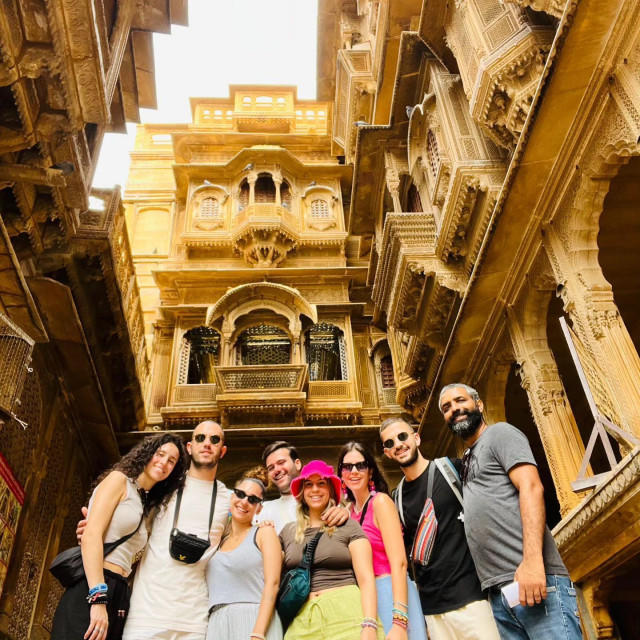
Highlights: Jaisalmer Fort, Patwon Ki Haveli, Sam Sand Dunes.

Experience: Camel safari at sunset, camping under starry desert skies.

Why with a Private Driver? Long desert drives become comfortable and safe.

Udaipur – The City of Lakes

Highlights: City Palace, Lake Pichola, Jag Mandir, Saheliyon Ki Bari.

Experience: Romantic boat rides and dining by the lakeside.

Why with a Private Driver? Navigate between lake-view spots and hilltop viewpoints easily.

Pushkar – The Sacred Town

Highlights: Brahma Temple, Pushkar Lake, vibrant markets.

Experience: Attend the Pushkar Camel Fair if visiting in November.

Why with a Private Driver? Hassle-free transfers from Jaipur or Ajmer.

Ranthambore & Rajasthan’s Wildlife

Rajasthan isn’t just forts and palaces; it’s also home to Ranthambore National Park, famous for tigers, leopards, and exotic birds. A private driver ensures you reach safari gates on time and explore nearby villages without stress.

Rajasthan’s Cultural Experiences

Folk dances like Ghoomar and Kalbeliya.

Puppet shows and local fairs.

Traditional Rajasthani attire and jewellery.

Your driver often knows the best local shows, helping you avoid tourist traps.

Food & Flavours of Rajasthan

Must-Try Dishes: Dal Baati Churma, Gatte Ki Sabzi, Laal Maas, Ker Sangri.

Street Food: Kachori in Jaipur, Mirchi Vada in Jodhpur, Ghewar in Udaipur.

A driver who knows local eateries ensures you get authentic flavours, not overpriced tourist menus.

Costs & Budget for a Rajasthan Road Trip

Private Driver Cost: Approx. ₹2,500–₹4,000 per day depending on car type (sedan, SUV, Tempo Traveller).

Hotel Stay: Budget (₹1,500), Mid-range (₹3,500), Luxury (₹8,000+).

Food: ₹500–₹1,500 per day.

A 10-day Rajasthan Road Trip with a Private Driver costs around ₹50,000–₹90,000 for two travellers, excluding flights.

Tips for Hiring a Private Driver in Rajasthan

Book through reputed travel agencies.

Check driver reviews and ratings.

Confirm the total cost (driver fee, fuel, tolls, parking).

Ensure driver speaks basic English for smooth communication.

Ask for an AC car, especially for summer trips.

Safety & Comfort on the Road

Always wear seatbelts.

Carry water bottles and snacks.

Avoid travelling late at night on rural roads.

Keep cash handy for tolls and rural areas.

Packing Essentials for the Trip

Light cotton clothes and a scarf/hat for sun protection.

Comfortable shoes for walking in forts and deserts.

A warm jacket for desert nights.

Sunscreen, sunglasses, and reusable water bottles.

Power bank for long journeys.

Conclusion

A Rajasthan Road Trip with a Private Driver Rajasthan is more than just a holiday—it’s a journey into India’s royal past, vibrant present, and endless desert horizons. With a driver to take care of the logistics, you’re free to soak in the magic of forts, palaces, lakes, and fairs at your own pace.

So, pack your bags, hire a private driver, and let Rajasthan’s timeless charm unfold before your eyes.

FAQs

1. How much does it cost to hire a private driver in Rajasthan?
On average, it costs between ₹2,500–₹4,000 per day depending on the car type and itinerary.

2. Is a Rajasthan road trip safe for foreigners?
Yes, with a licensed private driver, Rajasthan is safe and welcoming for international travellers.

3. Can I customise my Rajasthan road trip itinerary with a private driver?
Absolutely! Drivers and agencies are flexible to adjust routes and stops based on your interests.

4. What is the best duration for a Rajasthan road trip?
7–15 days is ideal, allowing you to cover major cities and cultural highlights at a comfortable pace.

5. Should I book hotels separately or through the driver?
Both work. Booking yourself gives more control, while many drivers have tie-ups with hotels offering discounts.


A Wildlife Enthusiast’s Guide to the Best Safaris in India

For a true wildlife enthusiast, nothing matches the excitement of an early morning safari in the heart of the Indian wilderness. The jungle comes alive with sounds — bird calls echo through the mist, leaves rustle with unseen movement, and if you’re lucky, a tiger’s roar shakes the air.

India is a paradise for nature lovers. With over 100 national parks and 500+ wildlife sanctuaries, the country offers everything from tiger reserves and lion habitats to rhino wetlands and elephant forests. A well-planned India Wildlife Safari is more than just a holiday — it’s a chance to witness some of the planet’s most iconic creatures in their natural habitat.

In this comprehensive guide, we’ll explore the best wildlife safaris in India, covering national parks, unique experiences, the best time to visit, and tips for making your trip unforgettable.

1. Why India is a Wildlife Lover’s Dream
India’s unique geography — from Himalayan peaks to tropical rainforests and coastal mangroves — makes it a hotspot for wildlife diversity. Here’s why it’s perfect for your next wildlife Safari tour in India:

Big Cat Capital: Tigers, Asiatic lions, leopards, and snow leopards.

Rare Species: One-horned rhinos, barasingha, gharials, and red pandas.

Birdwatcher’s Haven: Over 1,300 bird species, including migratory visitors.

Variety of Safaris: Jeep, canter, elephant-back, boat, and even walking safaris.

2. Jim Corbett National Park – Where Tigers Roam Free

Location: Uttarakhand
Best For: Tigers, elephants, gharials, birding

India’s first national park and the birthplace of Project Tiger, Jim Corbett National Park offers a mix of adventure and scenic beauty. The Dhikala Zone is legendary for tiger sightings, while the Ramganga River attracts crocodiles, otters, and waterbirds.

Safari Tip: Book morning safaris for better chances of spotting predators.

Unique Feature: Oldest national park in India, established in 1936.

3. Ranthambore National Park – Tigers and Forts

Location: Rajasthan
Best For: Tigers, leopards, sloth bears

Set against the backdrop of the historic Ranthambore Fort, this park is a favorite for wildlife photographers. Tigers here are known to be bold, often spotted in daylight.

Highlight: Combination of wildlife viewing and exploring ancient ruins.

Best Zones: Zones 2, 3, and 4 for frequent tiger sightings.

4. Kaziranga National Park – Rhino Wonderland
Location: Assam

Best For: One-horned rhinos, elephants, swamp deer

A UNESCO World Heritage Site, Kaziranga is home to two-thirds of the world’s one-horned rhinoceros population. The park’s elephant grasslands also shelter wild buffalo, tigers, and thousands of migratory birds.

Adventure Option: Elephant-back safaris for an elevated view of the terrain.

Best Season: November to April for clear skies and better visibility.

5. Bandhavgarh National Park – A Photographer’s Paradise

Location: Madhya Pradesh
Best For: Tigers, leopards, historic caves

Known for having the highest density of tigers in India, Bandhavgarh is perfect for close encounters with big cats. The park also features ancient caves, inscriptions, and the Bandhavgarh Fort.

Photography Tip: Early morning safaris give the best light for tiger shots.

6. Kanha National Park – The Jungle Book Brought to Life
Location: Madhya Pradesh

Best For: Tigers, barasingha, lush landscapes

Rudyard Kipling’s The Jungle Book was inspired by Kanha National Park. With its rolling meadows and sal forests, it’s one of India’s most picturesque reserves.

Unique Wildlife: Rare swamp deer (barasingha) conservation success.

Best Experience: Spend at least 2–3 days to explore multiple zones.

7. Periyar National Park – Elephants and Spice Trails
Location: Kerala
Best For: Elephants, boat safaris, birding

Nestled in the Western Ghats, Periyar is famous for its serene lake safaris, where you can watch elephants bathing and herds grazing on the banks.

Bonus Activity: Visit nearby spice plantations for an aromatic experience.

Wildlife: Gaur, wild boar, and a variety of birds.

9. Sundarbans National Park – The Home of Swimming Tigers
Location: West Bengal
Best For: Tigers, crocodiles, mangrove landscapes

The largest mangrove forest in the world, Sundarbans is home to the elusive Royal Bengal tiger, known for swimming between islands.

Safari Style: Boat safaris through tidal channels.

Other Wildlife: Fishing cats, water monitor lizards, olive ridley turtles.

10. Pench National Park – Big Cats and Birdwatching
Location: Madhya Pradesh & Maharashtra
Best For: Leopards, wild dogs, birdwatching

Another park linked to The Jungle Book, Pench is rich in biodiversity and offers a quieter safari experience compared to other parks.

Birdlife: Over 300 species including hornbills and ospreys.

11. Satpura National Park – Offbeat Adventure
Location: Madhya Pradesh
Best For: Walking safaris, canoe safaris, sloth bears

For a unique, crowd-free safari, Satpura is unmatched. It’s one of the few parks in India where walking safaris are allowed.

Wildlife: Leopards, giant squirrels, migratory birds.

Atmosphere: Peaceful, immersive, and perfect for seasoned explorers.

12. Best Time for a Wildlife Safari Tour in India
Summer (March–May): High chances of tiger sightings near water sources.

Winter (Nov–Feb): Comfortable weather, great for birdwatching.

Monsoon (July–Sept): Most parks are closed for breeding season except Periyar.

13. How to Book a Safari in India
Choose the Right Park – Based on the species you want to see.

Book in Advance – Popular zones fill up quickly.

Select Your Safari Type – Jeep, canter, boat, or walking.

Follow Park Rules – Essential for safety and conservation.

14. Tips for a Memorable India Wildlife Safari
Wear neutral colors to blend with surroundings.

Carry binoculars and cameras for distant sightings.

Stay quiet and alert during the safari.

Respect the wildlife’s space — no feeding or disturbing animals.

Hire an experienced naturalist guide for better spotting.

Conclusion
From the lion lands of Gir to the tiger trails of Ranthambore, and the rhino-filled wetlands of Kaziranga, India offers a wildlife experience like no other. Every India wildlife safari is a blend of thrill, learning, and awe — a journey into the untamed heart of nature.

So, pack your camera, grab your binoculars, and get ready for the wildlife tour in India you’ve always dreamed of. The jungle is calling.

FAQs
1. Which is the best park for tigers in India?
Bandhavgarh and Ranthambore are top choices due to high tiger density.

2. Are safaris in India safe?
Yes, when conducted with licensed guides and following park rules.

3. How many days should I spend on a safari in India?
At least 2–3 days per park to increase sighting chances.

4. Can I book a safari on arrival?
It’s possible but risky; advance booking is highly recommended.

5. Are children allowed on safaris?
Yes, but age restrictions may apply in certain parks for safety reasons.