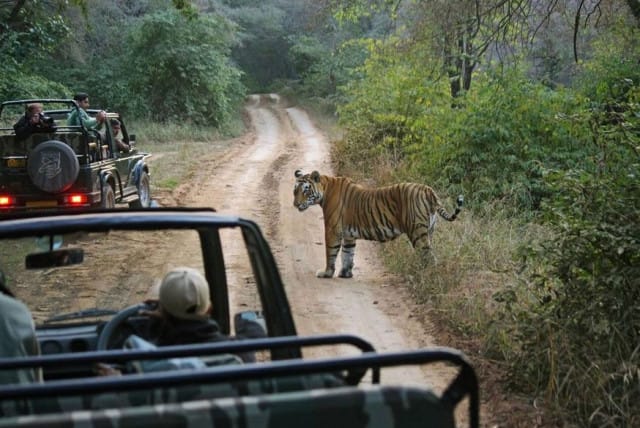









When people think of Rajasthan, vibrant palaces, golden deserts, and regal forts often come to mind. But hidden beyond its royal façade lies a wilderness as enchanting as its history. The state is home to some of India best wildlife national parks, offering everything from thrilling tiger safaris to mesmerizing birdwatching expeditions.
With landscapes that vary from Aravalli hills to dry deserts and lush wetlands, Rajasthan creates the perfect ecosystem for diverse wildlife. National parks like Ranthambore, Sariska, Keoladeo, Desert National Park, and Kumbhalgarh showcase the state’s untamed beauty.
Why Rajasthan is a Wildlife Lover’s Paradise
Unlike many other Indian states, Rajasthan offers a fusion of desert and forest ecosystems. This makes it an extraordinary place for spotting tigers, leopards, sloth bears, antelopes, desert foxes, and migratory birds.
The Royal Bengal Tiger and Big Cats
Rajasthan is renowned for its tiger population, especially in Ranthambore and Sariska, where the Royal Bengal Tiger roams freely. Wildlife enthusiasts flock here for once-in-a-lifetime encounters with this majestic predator.
Unique Desert Wildlife of Rajasthan
The Thar Desert ecosystem supports rare species like the Great Indian Bustard, desert fox, spiny-tailed lizard, and blackbuck. These creatures thrive in Rajasthan’s arid yet fascinating landscapes.
Ranthambore National Park – The Tiger Kingdom
History and Legacy of Ranthambore

Located near Sawai Madhopur, Ranthambore was once the hunting grounds of the Maharajas. Today, it’s one of the most famous tiger reserves in India, offering spectacular sightings against the backdrop of the ancient Ranthambore Fort.
Best Time to Visit Ranthambore
The park is open from October to June, with summer offering higher chances of tiger sightings near waterholes.
Safari Experience in Ranthambore
Jeep and canter safaris in ranthambore allow visitors to explore Ranthambore’s rugged landscapes. Apart from tigers, you can spot marsh crocodiles, leopards, jackals, and over 300 bird species.
Sariska Tiger Reserve – The Hidden Wilderness
Project Tiger and Sariska’s Revival

Once facing tiger extinction, Sariska saw a revival through Project Tiger. Tigers were relocated here from Ranthambore, and today, the reserve thrives with growing tiger numbers.
Jeep Safari in Sariska
Sariska is less crowded than Ranthambore, offering a peaceful safari experience. Wildlife includes hyenas, wild boar, chinkara, and an impressive range of birdlife.
Desert National Park – Rajasthan’s Unique Wilderness
The Great Indian Bustard Sanctuary
Stretching across Jaisalmer and Barmer, this park is one of the last refuges of the critically endangered Great Indian Bustard, India’s state bird candidate.
Flora and Fauna in the Desert Landscape
The park features sand dunes, rocky outcrops, and salt lakes, supporting species like desert foxes, chinkara, vultures, and kestrels.
Keoladeo National Park – Birdwatcher’s Paradise
UNESCO World Heritage Status

Once a royal hunting reserve, Keoladeo (Bharatpur Bird Sanctuary) is now a UNESCO World Heritage Site, attracting ornithologists from around the world.
Migratory Birds at Keoladeo
Every winter, migratory birds from Central Asia, Europe, and Siberia flock here, including Siberian cranes, pelicans, storks, and kingfishers.
Kumbhalgarh Wildlife Sanctuary – Leopards & Hills
The Untamed Aravalli Experience
Spread along the Aravalli Hills, this sanctuary is known for leopard sightings and its scenic wilderness surrounding the mighty Kumbhalgarh Fort.
Eco-Trekking and Safari Trails
Visitors can enjoy jeep safaris, eco-treks, and cultural experiences with local tribes while spotting wolf packs, sloth bears, and bird species.
Top Tips for Wildlife Safaris in Rajasthan
Book safaris well in advance, especially for Ranthambore.
Wear neutral-colored clothing to blend with the surroundings.
Carry binoculars and cameras for birding and wildlife photography.
Respect park rules—no loud noises, no littering, and no feeding animals.
Best Time to Visit Rajasthan for Wildlife Adventures
The cool season (October–March) is ideal for comfortable safaris. However, if your goal is tiger sightings, visit in April–June, when animals gather near water bodies.
Responsible Tourism and Conservation Efforts
Many of Rajasthan’s national parks actively promote eco-tourism and involve local communities in conservation. By choosing licensed guides and eco-friendly stays, tourists contribute to preserving the fragile ecosystems.
FAQs on Rajasthan’s National Parks
Q1. Which is the best national park in Rajasthan for tiger sightings?
Ranthambore National Park is the best for tiger sightings due to its high tiger population.
Q2. Is Sariska worth visiting compared to Ranthambore?
Yes, Sariska is less crowded and offers a peaceful safari with good chances of spotting big cats.
Q3. Can I see leopards in Rajasthan?
Yes, Kumbhalgarh Wildlife Sanctuary and Jhalana Leopard Safari near Jaipur are popular for leopard sightings.
Q4. Which is the best birdwatching destination in Rajasthan?
Keoladeo National Park in Bharatpur is India’s top birdwatching spot.
Q5. What is the rarest animal I can spot in Rajasthan?
The Great Indian Bustard in Desert National Park is one of the rarest sightings.
Q6. How many national parks are there in Rajasthan?
Rajasthan has 5 national parks and over 20 wildlife sanctuaries.
Conclusion – Journey into Rajasthan’s Wild Heart
From the tiger-filled forests of Ranthambore to the desert landscapes of Jaisalmer and the birding paradise of Bharatpur, Rajasthan is more than forts and palaces. Its national parks are a gateway to India’s untamed wilderness, offering unforgettable safaris and encounters with rare species.