


For a true wildlife enthusiast, nothing matches the excitement of an early morning safari in the heart of the Indian wilderness. The jungle comes alive with sounds — bird calls echo through the mist, leaves rustle with unseen movement, and if you’re lucky, a tiger’s roar shakes the air.
India is a paradise for nature lovers. With over 100 national parks and 500+ wildlife sanctuaries, the country offers everything from tiger reserves and lion habitats to rhino wetlands and elephant forests. A well-planned India Wildlife Safari is more than just a holiday — it’s a chance to witness some of the planet’s most iconic creatures in their natural habitat.
In this comprehensive guide, we’ll explore the best wildlife safaris in India, covering national parks, unique experiences, the best time to visit, and tips for making your trip unforgettable.
1. Why India is a Wildlife Lover’s Dream
India’s unique geography — from Himalayan peaks to tropical rainforests and coastal mangroves — makes it a hotspot for wildlife diversity. Here’s why it’s perfect for your next wildlife Safari tour in India:
Big Cat Capital: Tigers, Asiatic lions, leopards, and snow leopards.
Rare Species: One-horned rhinos, barasingha, gharials, and red pandas.
Birdwatcher’s Haven: Over 1,300 bird species, including migratory visitors.
Variety of Safaris: Jeep, canter, elephant-back, boat, and even walking safaris.
2. Jim Corbett National Park – Where Tigers Roam Free
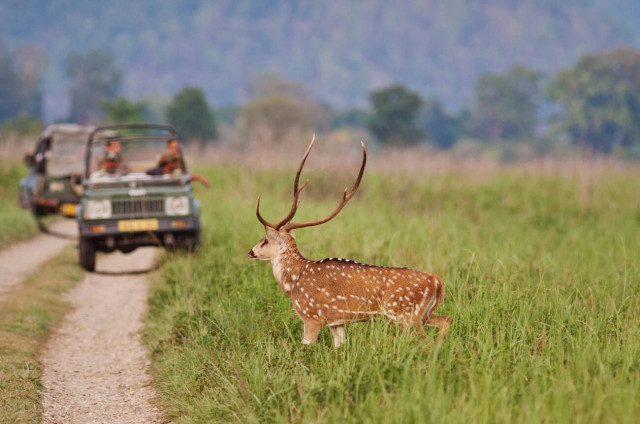
Location: Uttarakhand
Best For: Tigers, elephants, gharials, birding
India’s first national park and the birthplace of Project Tiger, Jim Corbett National Park offers a mix of adventure and scenic beauty. The Dhikala Zone is legendary for tiger sightings, while the Ramganga River attracts crocodiles, otters, and waterbirds.
Safari Tip: Book morning safaris for better chances of spotting predators.
Unique Feature: Oldest national park in India, established in 1936.
3. Ranthambore National Park – Tigers and Forts
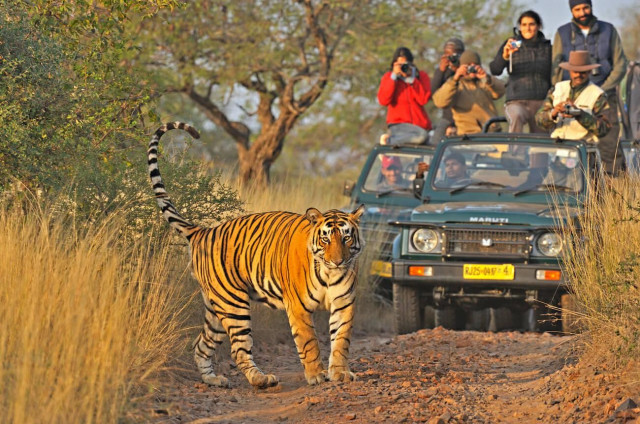
Location: Rajasthan
Best For: Tigers, leopards, sloth bears
Set against the backdrop of the historic Ranthambore Fort, this park is a favorite for wildlife photographers. Tigers here are known to be bold, often spotted in daylight.
Highlight: Combination of wildlife viewing and exploring ancient ruins.
Best Zones: Zones 2, 3, and 4 for frequent tiger sightings.
4. Kaziranga National Park – Rhino Wonderland
Location: Assam
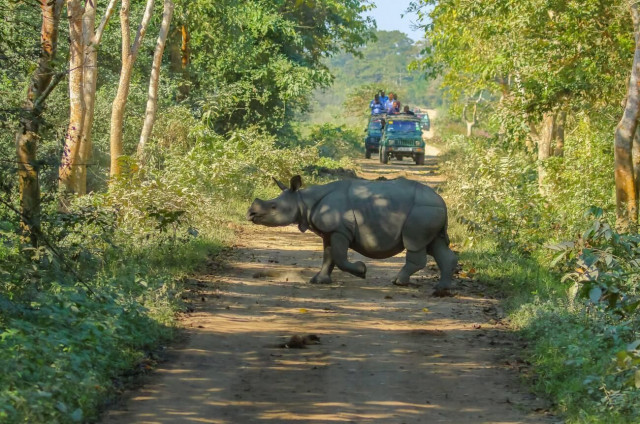
Best For: One-horned rhinos, elephants, swamp deer
A UNESCO World Heritage Site, Kaziranga is home to two-thirds of the world’s one-horned rhinoceros population. The park’s elephant grasslands also shelter wild buffalo, tigers, and thousands of migratory birds.
Adventure Option: Elephant-back safaris for an elevated view of the terrain.
Best Season: November to April for clear skies and better visibility.
5. Bandhavgarh National Park – A Photographer’s Paradise
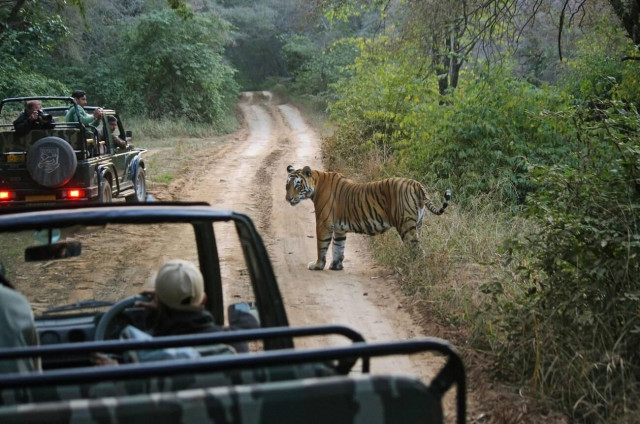
Location: Madhya Pradesh
Best For: Tigers, leopards, historic caves
Known for having the highest density of tigers in India, Bandhavgarh is perfect for close encounters with big cats. The park also features ancient caves, inscriptions, and the Bandhavgarh Fort.
Photography Tip: Early morning safaris give the best light for tiger shots.
6. Kanha National Park – The Jungle Book Brought to Life
Location: Madhya Pradesh
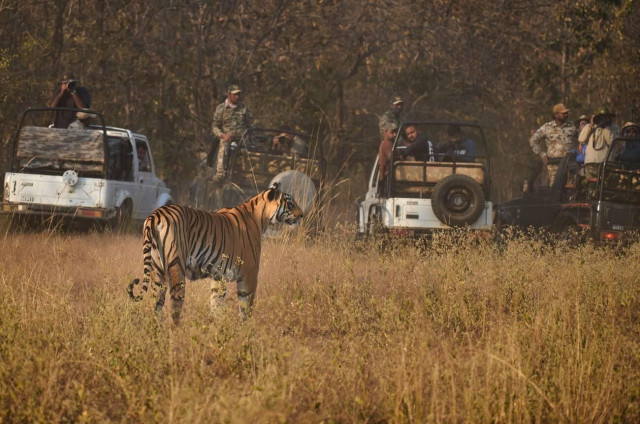
Best For: Tigers, barasingha, lush landscapes
Rudyard Kipling’s The Jungle Book was inspired by Kanha National Park. With its rolling meadows and sal forests, it’s one of India’s most picturesque reserves.
Unique Wildlife: Rare swamp deer (barasingha) conservation success.
Best Experience: Spend at least 2–3 days to explore multiple zones.
7. Periyar National Park – Elephants and Spice Trails
Location: Kerala
Best For: Elephants, boat safaris, birding
Nestled in the Western Ghats, Periyar is famous for its serene lake safaris, where you can watch elephants bathing and herds grazing on the banks.
Bonus Activity: Visit nearby spice plantations for an aromatic experience.
Wildlife: Gaur, wild boar, and a variety of birds.
9. Sundarbans National Park – The Home of Swimming Tigers
Location: West Bengal
Best For: Tigers, crocodiles, mangrove landscapes
The largest mangrove forest in the world, Sundarbans is home to the elusive Royal Bengal tiger, known for swimming between islands.
Safari Style: Boat safaris through tidal channels.
Other Wildlife: Fishing cats, water monitor lizards, olive ridley turtles.
10. Pench National Park – Big Cats and Birdwatching
Location: Madhya Pradesh & Maharashtra
Best For: Leopards, wild dogs, birdwatching
Another park linked to The Jungle Book, Pench is rich in biodiversity and offers a quieter safari experience compared to other parks.
Birdlife: Over 300 species including hornbills and ospreys.
11. Satpura National Park – Offbeat Adventure
Location: Madhya Pradesh
Best For: Walking safaris, canoe safaris, sloth bears
For a unique, crowd-free safari, Satpura is unmatched. It’s one of the few parks in India where walking safaris are allowed.
Wildlife: Leopards, giant squirrels, migratory birds.
Atmosphere: Peaceful, immersive, and perfect for seasoned explorers.
12. Best Time for a Wildlife Safari Tour in India
Summer (March–May): High chances of tiger sightings near water sources.
Winter (Nov–Feb): Comfortable weather, great for birdwatching.
Monsoon (July–Sept): Most parks are closed for breeding season except Periyar.
13. How to Book a Safari in India
Choose the Right Park – Based on the species you want to see.
Book in Advance – Popular zones fill up quickly.
Select Your Safari Type – Jeep, canter, boat, or walking.
Follow Park Rules – Essential for safety and conservation.
14. Tips for a Memorable India Wildlife Safari
Wear neutral colors to blend with surroundings.
Carry binoculars and cameras for distant sightings.
Stay quiet and alert during the safari.
Respect the wildlife’s space — no feeding or disturbing animals.
Hire an experienced naturalist guide for better spotting.
Conclusion
From the lion lands of Gir to the tiger trails of Ranthambore, and the rhino-filled wetlands of Kaziranga, India offers a wildlife experience like no other. Every India wildlife safari is a blend of thrill, learning, and awe — a journey into the untamed heart of nature.
So, pack your camera, grab your binoculars, and get ready for the wildlife tour in India you’ve always dreamed of. The jungle is calling.
FAQs
1. Which is the best park for tigers in India?
Bandhavgarh and Ranthambore are top choices due to high tiger density.
2. Are safaris in India safe?
Yes, when conducted with licensed guides and following park rules.
3. How many days should I spend on a safari in India?
At least 2–3 days per park to increase sighting chances.
4. Can I book a safari on arrival?
It’s possible but risky; advance booking is highly recommended.
5. Are children allowed on safaris?
Yes, but age restrictions may apply in certain parks for safety reasons.
